Analyzing Session Data to Identify Optimal Entry Points for Blackjack Side Bet Options
Harper Hughes · May 28, 2026
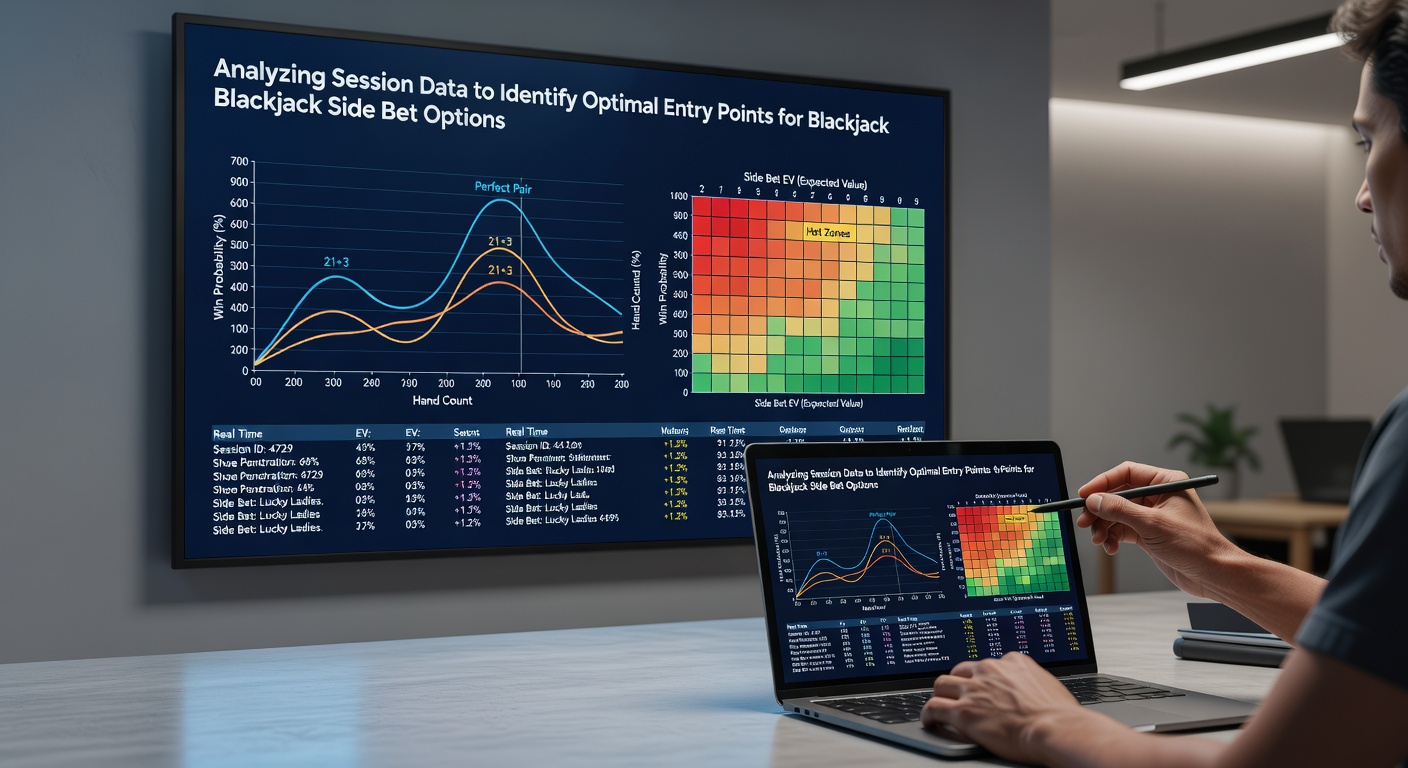
Analyzing Session Data to Identify Optimal Entry Points for Blackjack Side Bet Options
Session data from regulated blackjack environments continues to reveal patterns that operators and analysts track when evaluating side bet performance, and these records often highlight timing factors tied to deck composition shifts, player volume fluctuations, and payout frequency cycles that shape when certain wagers enter play most effectively.
Core Data Sources and Collection Practices
Regulated platforms aggregate hand-level logs that include initial two-card combinations, side bet outcomes, and elapsed time between rounds, while figures from the Nevada Gaming Control Board show consistent reporting of these elements across licensed tables since the expansion of electronic tracking systems in prior years. Analysts compile these streams into time-stamped datasets that flag entry moments when side bet hit rates deviate from baseline probabilities, and such aggregation allows comparison across morning, afternoon, and evening windows without relying on individual player identities.
Additional records come from loyalty program integrations that capture wager size alongside side bet selections, creating layered views of when participants increase exposure after sequences of standard hand results, and cross-referencing these with shuffle cycle timestamps produces indicators for periods when side bet variance stabilizes or spikes.
Key Metrics for Entry Point Evaluation
Researchers examine three primary indicators when mapping optimal moments: frequency of qualifying initial hands for each side bet type, correlation between those hands and preceding round outcomes, and the ratio of side bet volume to total hands dealt within defined session segments. Data sets segmented by table minimums demonstrate that lower-limit games often produce steadier qualifying hand distributions across longer windows, whereas higher-limit sessions show sharper clustering around specific shoe depths.
Volatility measures derived from aggregated logs further refine these entry signals, and platforms that log every side bet decision can isolate stretches where the standard deviation of returns narrows, suggesting intervals when repeated placement aligns more closely with expected frequencies rather than random deviation. These calculations draw from thousands of recorded rounds per table, yielding confidence intervals that narrow as sample sizes grow.
Practical Application Across Different Side Bet Structures
Side bets such as Perfect Pairs, 21+3, and insurance variants each rely on distinct card combinations, so session data segmentation separates the analysis by bet category before identifying shared timing traits. For instance, logs indicate that pairs-based wagers register higher qualifying rates in the middle third of six-deck shoes when discard piles contain balanced ranks, and analysts compare these segments against early-shoe and late-shoe baselines to flag repeatable entry windows.

Three-card poker style side bets display different clustering, with data from multi-property operators revealing elevated hit rates following consecutive non-blackjack outcomes that leave more high cards in play. Observers note that these patterns hold across geographic samples when shoe penetration and dealer speed remain comparable, and the consistency allows operators to set automated alerts that highlight tables meeting the derived criteria.
Insurance side bets, tied directly to dealer upcards, produce entry signals based on remaining ace density rather than sequential hand history, yet session records still supply context through tracking of prior insurance decisions and their outcomes, helping isolate periods when ace depletion accelerates or slows.
Integration with Regulatory Reporting Requirements
Canadian provincial regulators and Australian state gaming commissions both mandate periodic submission of table performance summaries that include side bet activity, and these filings supply standardized fields that analysts can align with internal session logs for broader benchmarking. The resulting cross-jurisdictional datasets reveal regional differences in average session length and side bet uptake that influence how entry point models are calibrated before deployment at individual sites.
Studies published through academic gaming research centers further connect these operational records to probability modeling, confirming that entry timing derived from historical session segments produces measurable alignment with theoretical distributions when tested against hold-out data sets from subsequent months.
Conclusion
Session data analysis supplies structured signals for determining when blackjack side bet options enter play under conditions that match observed historical frequencies, and continued refinement of collection methods across multiple regulatory environments supports increasingly precise segmentation of those entry points without requiring real-time predictive adjustments. Operators apply these findings through table-level monitoring systems that flag qualifying segments as they develop, maintaining compliance with existing reporting standards while generating consistent performance baselines for each side bet category.