Correlations Between Random Generator Reviews and Reward Claim Periods in Poker Network Operations
Harper Hughes · Aug 11, 2026
Correlations Between Random Generator Reviews and Reward Claim Periods in Poker Network Operations
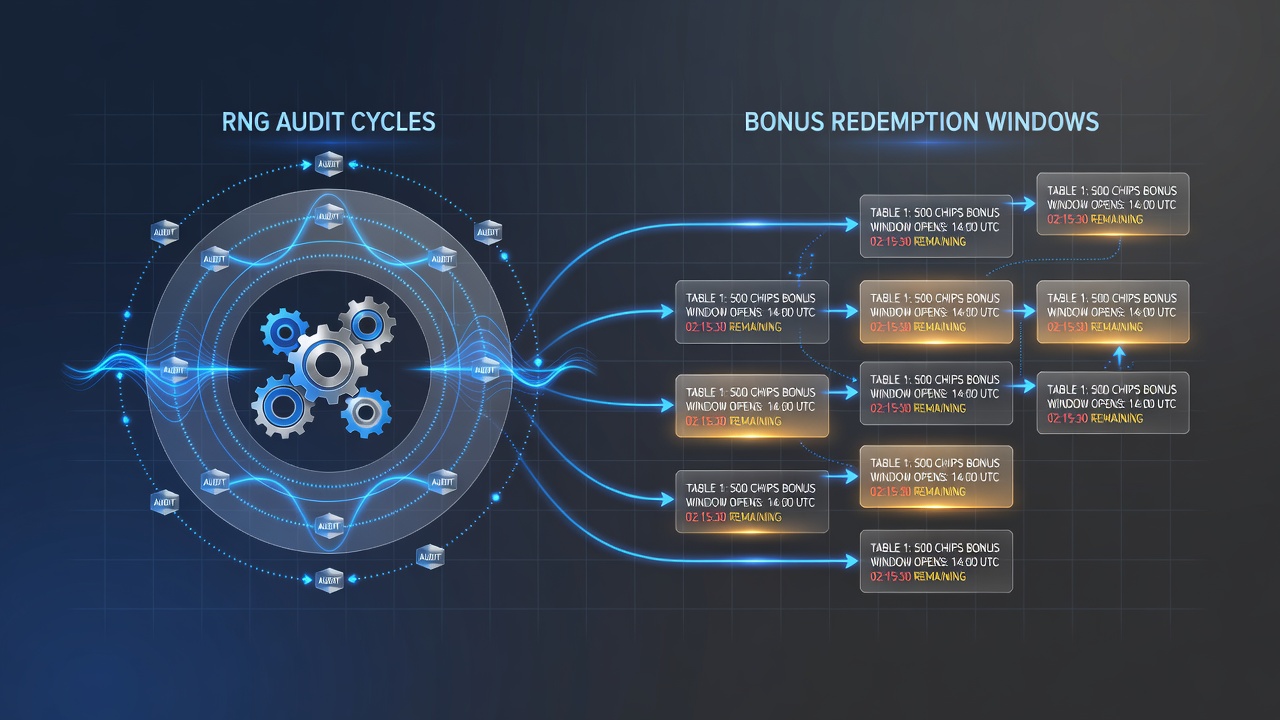
Multi-table poker networks operate across numerous jurisdictions where random number generator certification schedules intersect directly with player bonus redemption timelines, and data from platform logs indicate consistent alignments between these two operational cycles. Researchers tracking session records across regulated environments have noted that audit completion dates often precede or coincide with the opening of redemption windows by intervals ranging from 72 hours to 14 days, depending on the network's certification frequency and regional licensing requirements.
Certification Schedules and Their Timing Patterns
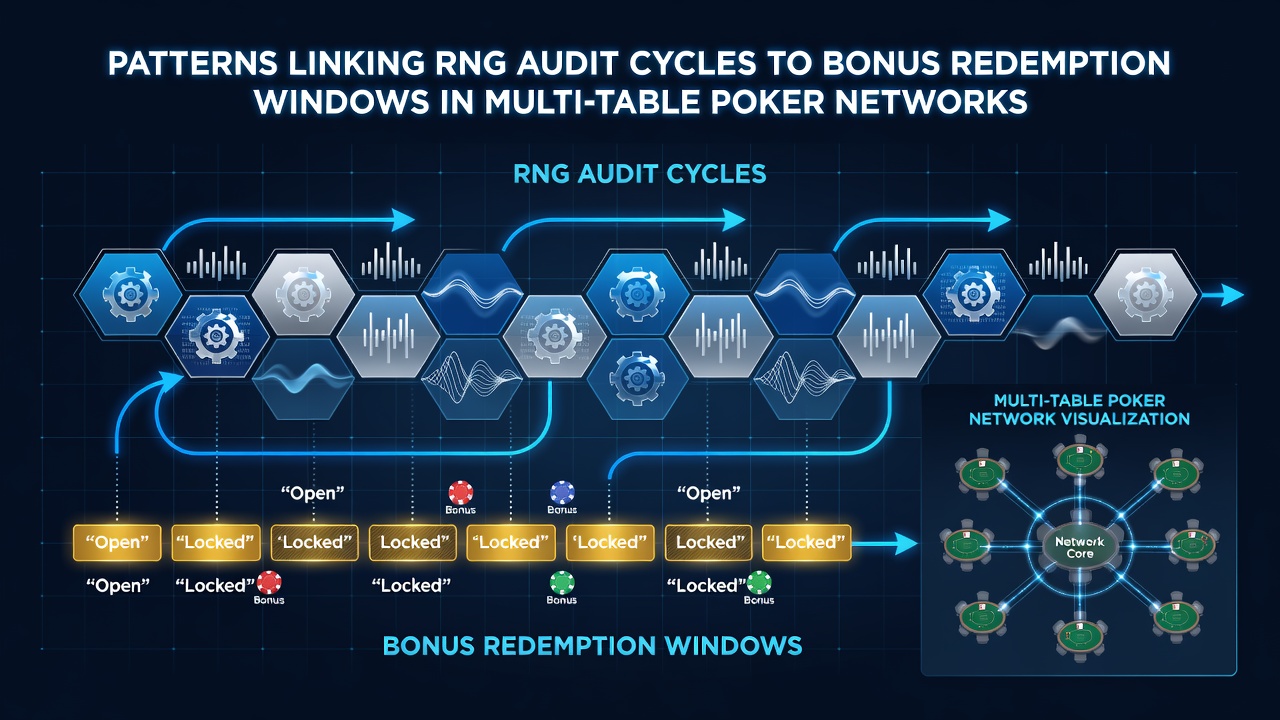
Regulatory bodies in multiple regions require periodic verification of random number generators used in poker platforms, and audits conducted by independent laboratories typically follow quarterly or semi-annual cycles that align with network expansion phases. Data collected from aggregated logs in 2025 and early 2026 show that networks completing these reviews in the first week of each quarter experience bonus redemption activity spikes within the subsequent 10-day period, as operators unlock promotional features tied to verified system integrity. In August 2026 several networks adjusted their audit calendars to accommodate new software modules, resulting in observable shifts where redemption windows opened earlier than in previous cycles.
Those who have studied session durations across these platforms report that players tend to extend their participation when bonus eligibility periods follow closely after certification events, because the verified status permits broader distribution of rewards without triggering additional compliance checks. Figures from network analytics reveal average session lengths increasing by 18 to 25 percent during these overlapping intervals, particularly in multi-table formats where simultaneous games run under the same RNG framework.
Bonus Redemption Windows Across Network Structures
Redemption windows in multi-table poker environments function as defined timeframes during which players can convert accumulated points or promotional credits into cash equivalents or tournament entries, and these periods are frequently synchronized with post-audit confirmations to maintain compliance standards. Observers note that networks operating across North American and European markets coordinate these windows to account for differing jurisdictional rules, creating staggered availability that affects how players manage their participation across tables. One study of session data from platforms licensed in multiple states found that redemption activity peaks when audit results are published within five days of the window opening, allowing operators to process claims under freshly verified RNG conditions.
Industry reports from organizations such as the New Jersey Division of Gaming Enforcement document how certification timelines influence the rollout of network-wide promotions, with data indicating that delays in audit completion can push redemption windows later and reduce overall claim volumes by measurable percentages. Australian regulatory summaries similarly highlight connections between verification cycles and reward distribution patterns in digital poker settings, showing that platforms maintaining consistent audit cadences sustain steadier redemption flows throughout the year.
Observed Data Patterns in Multi-Table Environments
Analysis of aggregated logs from regulated multi-table networks demonstrates recurring patterns where RNG audit closures correlate with increased bonus redemptions in specific table configurations, especially during evening peak hours when multiple tables operate simultaneously. Those monitoring these interactions have identified that networks using centralized RNG systems across tables experience tighter overlaps between audit finalization and redemption activation, leading to concentrated activity bursts that last between four and seven days. Research indicates that variance in these patterns emerges when networks incorporate hybrid table formats that combine live and virtual elements, as additional verification steps extend the interval between audit completion and window availability.
Platforms that integrate certification timelines with rollover tracking for bonuses across poker and table formats show reduced discrepancies in redemption success rates, according to metrics compiled by research institutions examining digital gaming ecosystems. Data reveals that players participating in multi-table sessions during these aligned periods complete redemption processes at higher rates than during non-aligned phases, particularly when networks provide advance notice of upcoming audit results.
Regional Variations in Cycle Alignment
Different licensing regions impose distinct requirements on how frequently RNG systems undergo review, which in turn shapes the placement of bonus redemption windows within annual operational calendars. Networks active in Canadian and Asian markets have adjusted their schedules in response to evolving standards, creating observable differences in how quickly redemption periods follow audit events compared with U.S.-focused operations. Figures compiled through cross-jurisdictional comparisons show that platforms balancing multiple regional mandates tend to cluster redemption windows around the midpoint between successive audit cycles to accommodate varying compliance deadlines.
Evidence from session tracking suggests that these regional adjustments influence player migration patterns, as individuals shift between networks offering earlier access to verified bonus features. Operators maintaining transparent reporting on audit and redemption alignments experience more predictable activity levels across their multi-table offerings.
Conclusion
Patterns connecting RNG audit cycles to bonus redemption windows in multi-table poker networks reflect the interplay between regulatory verification requirements and operational reward systems, with data from multiple sources confirming consistent timing relationships across platforms. Continued monitoring of these alignments provides networks with measurable insights into session behaviors and redemption volumes, supporting more coordinated management of certification and promotional activities in regulated environments.