Decoding Multi-Tiered Loyalty Structures and Their Role in Shaping Game Selection Patterns Across European Regulated Platforms
Elena Keller · Jun 20, 2026
The Architecture of Reward Systems and Player Game Preferences Across Licensed European Operators
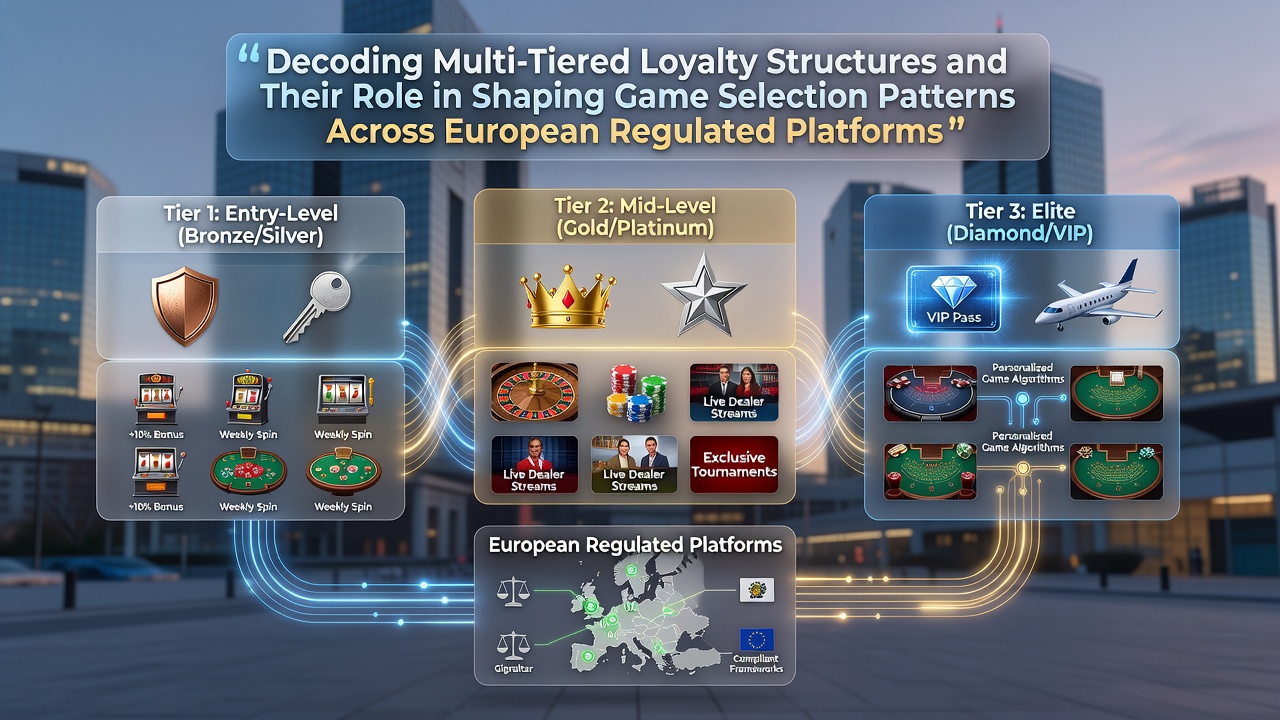
Multi-tiered loyalty structures operate as layered incentive frameworks on regulated European platforms where operators assign players to progressive categories based on cumulative activity metrics such as wager volume and frequency. These categories typically range from entry-level designations through mid-tier and elite status with each successive level unlocking enhanced redemption options including cashback percentages, complimentary spins, and personalized event access. Data aggregated from multiple licensed sites indicates that players advance through these layers at rates tied directly to sustained participation patterns rather than isolated sessions. European regulatory environments enforce strict oversight on these programs to ensure transparency in point accrual and redemption values. Platforms must disclose the mathematical formulas that convert gameplay into loyalty currency while maintaining compliance with consumer protection directives that limit aggressive retention tactics. In June 2026 several operators across multiple jurisdictions released updated compliance filings that detailed adjustments to tier qualification thresholds in response to evolving audit requirements. Observers note that point-earning rates vary substantially across game categories with many systems assigning higher multipliers to slots and video poker formats compared to table games like roulette or blackjack. This differential weighting creates measurable shifts in selection behavior as players seeking faster tier progression gravitate toward titles that accelerate point accumulation. Session logs from aggregated platform data reveal that mid-tier players increase slot engagement by measurable margins once they near qualification benchmarks for the next reward level while table game participation remains relatively stable across tiers. What's significant is the way bonus structures intersect with these mechanics. Higher-tier members frequently receive targeted promotions that apply only to specific game types thereby reinforcing existing preferences. Researchers analyzing anonymized transaction records across several markets have documented correlations between tier status and average bet sizes with elite players demonstrating larger wagers on high-volatility slots that also contribute efficiently to loyalty metrics. One documented pattern involves players who enter at basic tiers experimenting broadly with game libraries before narrowing focus once they identify which options optimize point gains relative to time invested. This narrowing occurs consistently around the transition into silver or equivalent mid-level status according to longitudinal tracking studies. 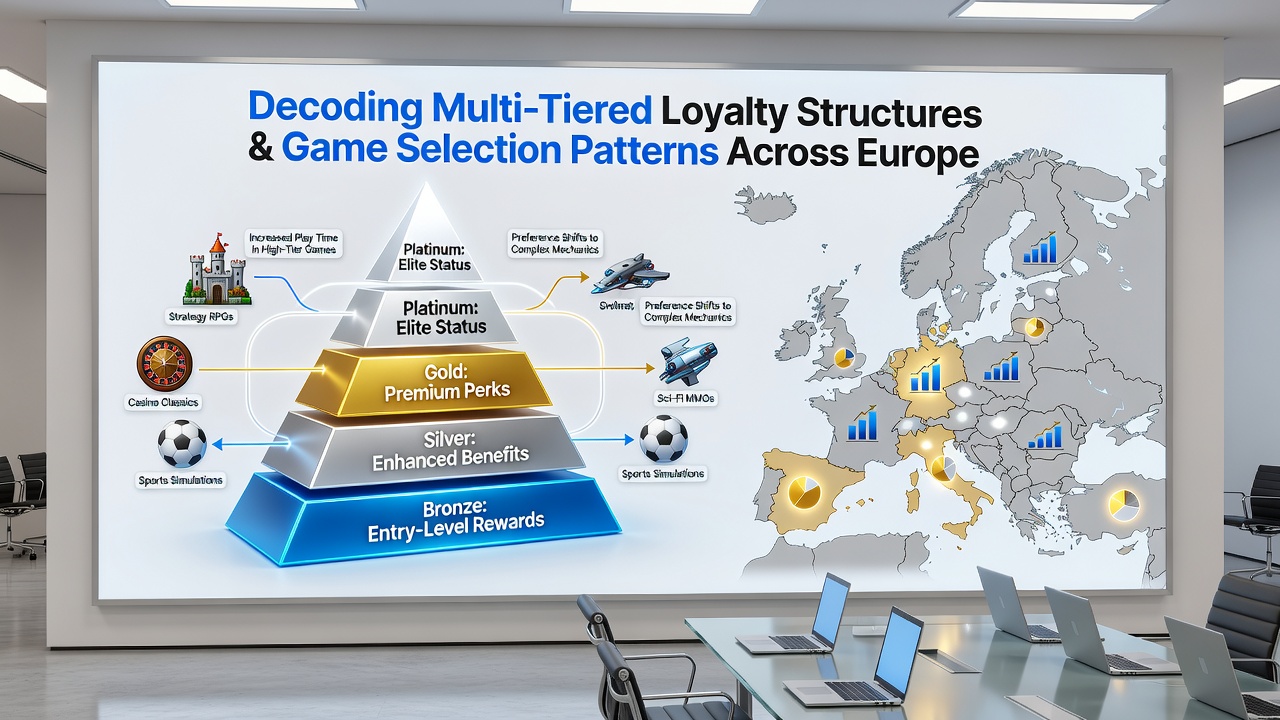 Regulatory filings from the Malta Gaming Authority show that loyalty program participation rates exceed seventy percent among active accounts on compliant sites with retention metrics improving as players climb tiers. These figures align with observations from the European Gaming and Betting Association which compiles industry-wide statistics on player behavior across member operators. Analysts examining cross-platform data have identified that certain hybrid games blending slot and table elements receive disproportionate attention from players positioned between mid and upper tiers because they balance entertainment value with efficient point generation. This preference emerges clearly in monthly activity reports where such titles register elevated playtime among users approaching qualification deadlines. Platform algorithms further amplify these trends by surfacing personalized game recommendations that factor in both historical play and current tier standing. Users at higher levels encounter curated suggestions weighted toward titles that sustain momentum within the loyalty ecosystem while lower-tier accounts receive broader discovery prompts. The resulting feedback loop strengthens established selection patterns over successive months of activity. Academic examinations of European player datasets including work published through university research consortia have quantified the extent to which tier advancement alters risk tolerance in game choices. Players who recently achieved new status levels display temporary increases in average session length on promoted titles before reverting toward baseline preferences once the immediate reward cycle completes. Such cyclical behavior appears consistently across multiple operator datasets regardless of specific game library composition. European platforms continue refining these structures through iterative testing that monitors how modifications to point rates influence overall selection distributions. Adjustments implemented in early 2026 across several markets produced measurable redistributions in play volume away from low-multiplier games toward those offering accelerated progress. Regulators require pre-approval for such changes to verify that alterations do not disproportionately disadvantage any player segment. Conclusion
The interplay between multi-tiered loyalty mechanisms and game selection patterns on European regulated platforms reflects deliberate design choices embedded within compliance frameworks. Available data from oversight bodies and industry compilations demonstrates consistent correlations between tier progression and shifts toward specific game categories that optimize reward accumulation. As operators adapt qualification parameters in response to regulatory updates including those documented around June 2026 these dynamics will likely continue evolving while remaining anchored in transparent operational standards.
Regulatory filings from the Malta Gaming Authority show that loyalty program participation rates exceed seventy percent among active accounts on compliant sites with retention metrics improving as players climb tiers. These figures align with observations from the European Gaming and Betting Association which compiles industry-wide statistics on player behavior across member operators. Analysts examining cross-platform data have identified that certain hybrid games blending slot and table elements receive disproportionate attention from players positioned between mid and upper tiers because they balance entertainment value with efficient point generation. This preference emerges clearly in monthly activity reports where such titles register elevated playtime among users approaching qualification deadlines. Platform algorithms further amplify these trends by surfacing personalized game recommendations that factor in both historical play and current tier standing. Users at higher levels encounter curated suggestions weighted toward titles that sustain momentum within the loyalty ecosystem while lower-tier accounts receive broader discovery prompts. The resulting feedback loop strengthens established selection patterns over successive months of activity. Academic examinations of European player datasets including work published through university research consortia have quantified the extent to which tier advancement alters risk tolerance in game choices. Players who recently achieved new status levels display temporary increases in average session length on promoted titles before reverting toward baseline preferences once the immediate reward cycle completes. Such cyclical behavior appears consistently across multiple operator datasets regardless of specific game library composition. European platforms continue refining these structures through iterative testing that monitors how modifications to point rates influence overall selection distributions. Adjustments implemented in early 2026 across several markets produced measurable redistributions in play volume away from low-multiplier games toward those offering accelerated progress. Regulators require pre-approval for such changes to verify that alterations do not disproportionately disadvantage any player segment. Conclusion
The interplay between multi-tiered loyalty mechanisms and game selection patterns on European regulated platforms reflects deliberate design choices embedded within compliance frameworks. Available data from oversight bodies and industry compilations demonstrates consistent correlations between tier progression and shifts toward specific game categories that optimize reward accumulation. As operators adapt qualification parameters in response to regulatory updates including those documented around June 2026 these dynamics will likely continue evolving while remaining anchored in transparent operational standards.
Multi-tiered loyalty structures operate as layered incentive frameworks on regulated European platforms where operators assign players to progressive categories based on cumulative activity metrics such as wager volume and frequency. These categories typically range from entry-level designations through mid-tier and elite status with each successive level unlocking enhanced redemption options including cashback percentages, complimentary spins, and personalized event access. Data aggregated from multiple licensed sites indicates that players advance through these layers at rates tied directly to sustained participation patterns rather than isolated sessions. European regulatory environments enforce strict oversight on these programs to ensure transparency in point accrual and redemption values. Platforms must disclose the mathematical formulas that convert gameplay into loyalty currency while maintaining compliance with consumer protection directives that limit aggressive retention tactics. In June 2026 several operators across multiple jurisdictions released updated compliance filings that detailed adjustments to tier qualification thresholds in response to evolving audit requirements. Observers note that point-earning rates vary substantially across game categories with many systems assigning higher multipliers to slots and video poker formats compared to table games like roulette or blackjack. This differential weighting creates measurable shifts in selection behavior as players seeking faster tier progression gravitate toward titles that accelerate point accumulation. Session logs from aggregated platform data reveal that mid-tier players increase slot engagement by measurable margins once they near qualification benchmarks for the next reward level while table game participation remains relatively stable across tiers. What's significant is the way bonus structures intersect with these mechanics. Higher-tier members frequently receive targeted promotions that apply only to specific game types thereby reinforcing existing preferences. Researchers analyzing anonymized transaction records across several markets have documented correlations between tier status and average bet sizes with elite players demonstrating larger wagers on high-volatility slots that also contribute efficiently to loyalty metrics. One documented pattern involves players who enter at basic tiers experimenting broadly with game libraries before narrowing focus once they identify which options optimize point gains relative to time invested. This narrowing occurs consistently around the transition into silver or equivalent mid-level status according to longitudinal tracking studies.
Regulatory filings from the Malta Gaming Authority show that loyalty program participation rates exceed seventy percent among active accounts on compliant sites with retention metrics improving as players climb tiers. These figures align with observations from the European Gaming and Betting Association which compiles industry-wide statistics on player behavior across member operators. Analysts examining cross-platform data have identified that certain hybrid games blending slot and table elements receive disproportionate attention from players positioned between mid and upper tiers because they balance entertainment value with efficient point generation. This preference emerges clearly in monthly activity reports where such titles register elevated playtime among users approaching qualification deadlines. Platform algorithms further amplify these trends by surfacing personalized game recommendations that factor in both historical play and current tier standing. Users at higher levels encounter curated suggestions weighted toward titles that sustain momentum within the loyalty ecosystem while lower-tier accounts receive broader discovery prompts. The resulting feedback loop strengthens established selection patterns over successive months of activity. Academic examinations of European player datasets including work published through university research consortia have quantified the extent to which tier advancement alters risk tolerance in game choices. Players who recently achieved new status levels display temporary increases in average session length on promoted titles before reverting toward baseline preferences once the immediate reward cycle completes. Such cyclical behavior appears consistently across multiple operator datasets regardless of specific game library composition. European platforms continue refining these structures through iterative testing that monitors how modifications to point rates influence overall selection distributions. Adjustments implemented in early 2026 across several markets produced measurable redistributions in play volume away from low-multiplier games toward those offering accelerated progress. Regulators require pre-approval for such changes to verify that alterations do not disproportionately disadvantage any player segment. Conclusion
The interplay between multi-tiered loyalty mechanisms and game selection patterns on European regulated platforms reflects deliberate design choices embedded within compliance frameworks. Available data from oversight bodies and industry compilations demonstrates consistent correlations between tier progression and shifts toward specific game categories that optimize reward accumulation. As operators adapt qualification parameters in response to regulatory updates including those documented around June 2026 these dynamics will likely continue evolving while remaining anchored in transparent operational standards.