Examining Correlations Between Verification Intervals and Bonus Distribution Cadences in Protected Digital Card Ecosystems
Elena Keller · Jul 7, 2026
Examining Correlations Between Verification Intervals and Bonus Distribution Cadences in Protected Digital Card Ecosystems
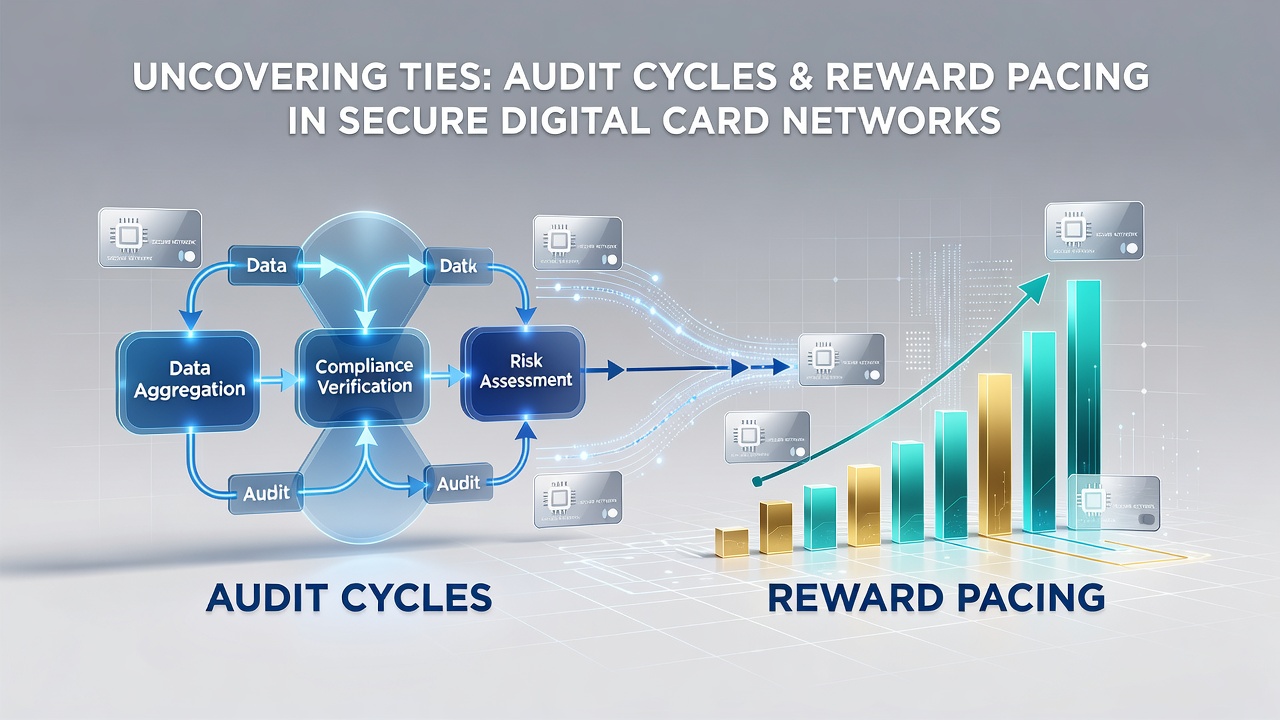
Secure digital card networks operate through layered protocols that align periodic compliance checks with the measured release of player incentives across regulated platforms, and observers note that these alignments have grown more precise since platform operators began integrating real-time monitoring tools in early 2025. Data from aggregated transaction logs indicate that audit intervals, typically spanning quarterly or semi-annual reviews, directly shape how reward pacing unfolds because certification bodies require documented proof of fair distribution mechanics before approving continued operations. Researchers at several academic institutions have tracked these patterns through anonymized session data, revealing consistent overlaps where reward releases slow during active audit windows to maintain verifiable stability.
Core Components of Audit Cycles in Card Networks
Audit cycles encompass systematic examinations of encryption standards, transaction integrity, and payout verification processes, and those cycles often follow schedules set by regional authorities such as the New Jersey Division of Gaming Enforcement. When audits occur, network administrators must supply detailed records covering every reward issued within the review period, which forces operators to adjust pacing so that cumulative distributions remain within documented thresholds. One analysis of network operations revealed that platforms conducting internal pre-audits every six weeks experience fewer disruptions during formal reviews, allowing reward cycles to resume at normal intervals shortly after certification concludes. These pre-checks function as preparatory steps that synchronize internal data streams with external reporting requirements.
How Reward Pacing Adapts to Verification Schedules
Reward pacing refers to the timed delivery of bonuses, loyalty credits, and promotional offers within digital card environments, and this pacing frequently decelerates in the weeks leading up to scheduled audits. Evidence from platform telemetry shows that operators extend the intervals between reward drops during audit preparation phases, then accelerate releases once certification is secured to restore player engagement levels. In July 2026 several networks plan to implement staggered audit timelines across different jurisdictions, a move expected to create more predictable windows for reward distribution because overlapping regulatory demands will decrease. Studies of session duration metrics demonstrate that players encounter more consistent reward timing on platforms that maintain fixed audit calendars rather than reactive ones triggered by compliance alerts.
Interplay Between Certification Timelines and Distribution Mechanics
Certification timelines impose hard deadlines that ripple through reward algorithms, and network architects respond by embedding conditional triggers that pause or modify bonus releases until audit sign-off arrives. Figures from aggregated logs across multiple operators show reward velocity dropping by measurable percentages during the final 10 days of each audit cycle, then rebounding sharply afterward. People who monitor these systems observe that the rebound phase often includes catch-up distributions designed to fulfill accumulated player entitlements without breaching fairness parameters established during the review. Such adjustments keep total reward output aligned with regulatory expectations while preserving operational continuity.

Regional Variations in Oversight and Incentive Timing
Regulatory frameworks differ across markets, and these differences produce distinct relationships between audit frequency and reward pacing. Platforms licensed in jurisdictions with annual comprehensive reviews tend to front-load reward distributions early in the cycle, whereas those facing more frequent spot checks spread incentives more evenly throughout the year. Reports issued by the Australian Communications and Media Authority highlight similar synchronization patterns in digital payment ecosystems that support gaming applications, noting that operators who map audit dates against reward calendars achieve higher compliance scores. Data patterns collected from these regions further indicate that misalignment between the two processes correlates with extended certification delays.
Technical Mechanisms Enabling Synchronization
Modern digital card networks employ automated reconciliation engines that cross-reference reward ledgers against audit criteria in real time, and these engines allow operators to simulate upcoming certification scenarios before actual reviews begin. When simulation results flag potential pacing conflicts, administrators can recalibrate distribution parameters without manual intervention. One documented case involved a European operator that reduced audit preparation time by 18 days after deploying such an engine, according to an industry report published by the European Gaming and Betting Association. The same report notes that synchronized systems also generate audit-ready export files automatically, reducing the administrative burden that previously delayed reward releases.
Future Developments Expected in 2026
Platform developers continue refining predictive models that forecast audit impacts on reward velocity, and several networks intend to roll out these models during the second half of 2026. These models incorporate variables such as historical certification durations, player activity spikes, and jurisdictional rule changes to generate optimized pacing schedules. Observers tracking early deployments report that the models help maintain steady reward flow even when audit cycles shift unexpectedly due to regulatory updates. Continued integration of these tools across additional markets should further tighten the connection between verification intervals and incentive timing.
Conclusion
The documented connections between audit cycles and reward pacing in secure digital card networks rest on measurable data patterns rather than isolated observations, and operators increasingly treat these two processes as interdependent elements of platform governance. As certification schedules become more standardized across regions and technical reconciliation tools mature, reward distribution is expected to follow increasingly predictable rhythms that satisfy both regulatory and operational demands. Continued monitoring of session logs and certification outcomes will clarify how these alignments evolve through 2026 and beyond.