Examining Digital Shuffle Algorithms Impact on Decision Timing Across Virtual Blackjack Tournaments
Yara Krause · May 21, 2026
Examining Digital Shuffle Algorithms Impact on Decision Timing Across Virtual Blackjack Tournaments
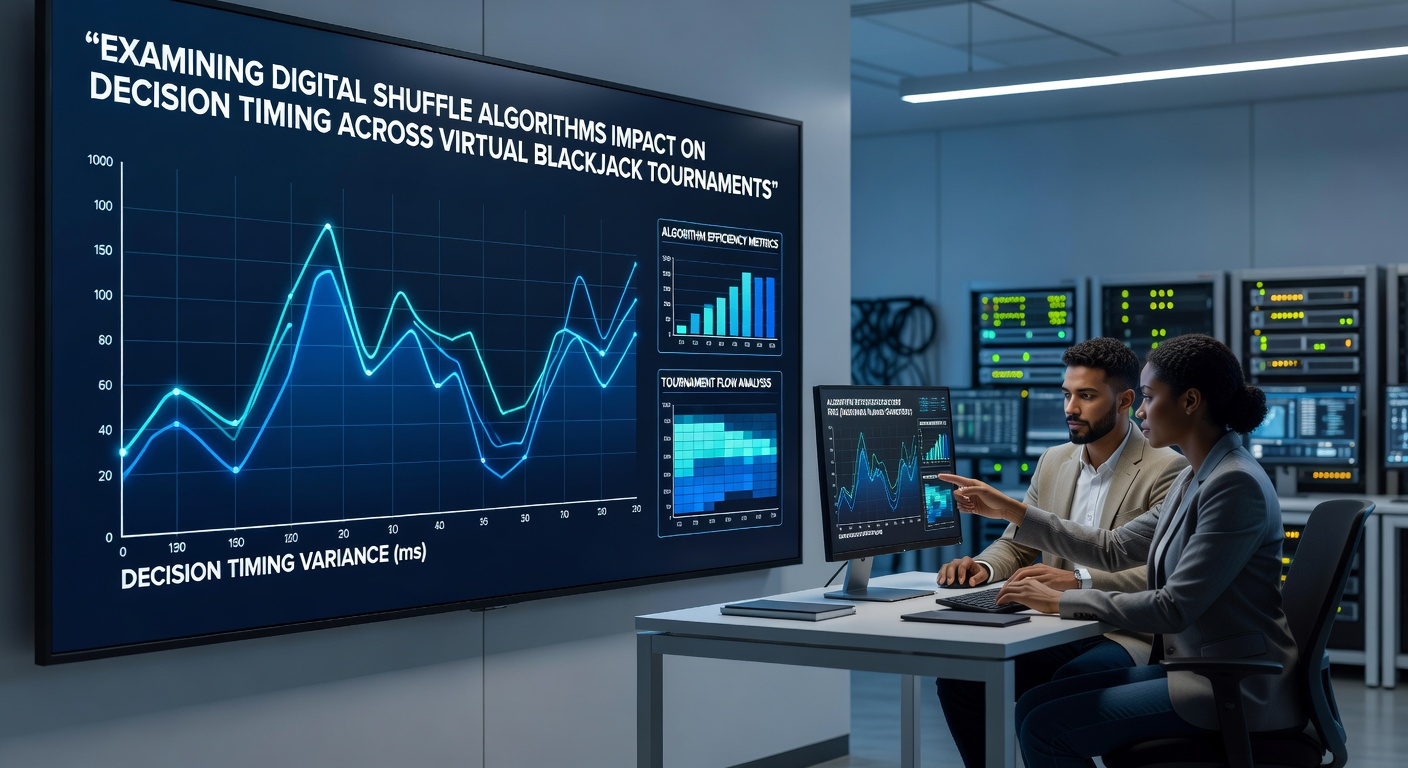
Virtual blackjack tournaments have grown in scale and complexity over recent years, with digital shuffle algorithms playing a central role in how games unfold and how players time their decisions; these systems rely on pseudorandom number generators that simulate continuous shuffling rather than static decks, and research from multiple jurisdictions shows measurable shifts in average response intervals between hands. Observers note that players face constant updates to card distribution probabilities because the algorithm reshuffles the virtual deck after nearly every round, which compresses the window for strategic calculations compared with physical shoes that deplete gradually over several hands. Data collected from regulated platforms indicates decision times shorten by 12 to 18 percent on average when continuous digital shuffling replaces periodic batch shuffles, according to aggregated session logs reviewed by tournament operators in North America and Asia.
How Digital Shuffle Algorithms Operate in Tournament Settings
Algorithms certified under standards from bodies such as the Nevada Gaming Control Board generate fresh sequences for each virtual hand while maintaining statistical randomness that passes laboratory audits, and this process eliminates the memory effect found in traditional multi-deck shoes where remaining cards become predictable as play progresses. Tournament software integrates these generators with player-action timers that start the moment the virtual dealer finishes distributing cards, creating a rhythm where participants must weigh hit, stand, double, or split choices against an ever-changing probability landscape. Studies conducted by research teams at institutions including the University of Nevada, Las Vegas demonstrate that decision latency correlates directly with the frequency of reshuffles because each new configuration forces recalculation of expected values rather than reliance on cumulative deck tracking.
Timing Metrics Across Platforms
Platform operators track milliseconds from card reveal to player input, and figures released in early 2026 reveal that average decision windows in virtual events hover between 4.8 and 6.2 seconds when continuous shuffling algorithms run at full speed. These measurements come from thousands of tournament hands logged across multiple sites, showing tighter clustering around the lower end of the range once players adapt to the absence of persistent deck composition. In May 2026 several major operators updated their timer settings to accommodate regulatory reviews of shuffle speed, resulting in a modest 0.7-second increase in permitted response time on select European servers while North American venues maintained stricter intervals to preserve competitive pace.
Regional Data Patterns and Regulatory Context
Analysis of session data from Australian and Canadian regulated markets points to consistent patterns where players using basic strategy charts experience shorter pauses than those relying on card-counting approximations, since the latter approach loses effectiveness under continuous reshuffling. Government reports from the Australian Communications and Media Authority highlight that virtual tournaments incorporating certified shuffle engines record fewer instances of extended deliberation exceeding eight seconds, which reduces overall event duration and allows more hands per hour. Tournament directors adjust software parameters accordingly, balancing speed with fairness so that decision timing remains uniform across participants regardless of connection latency or device type.
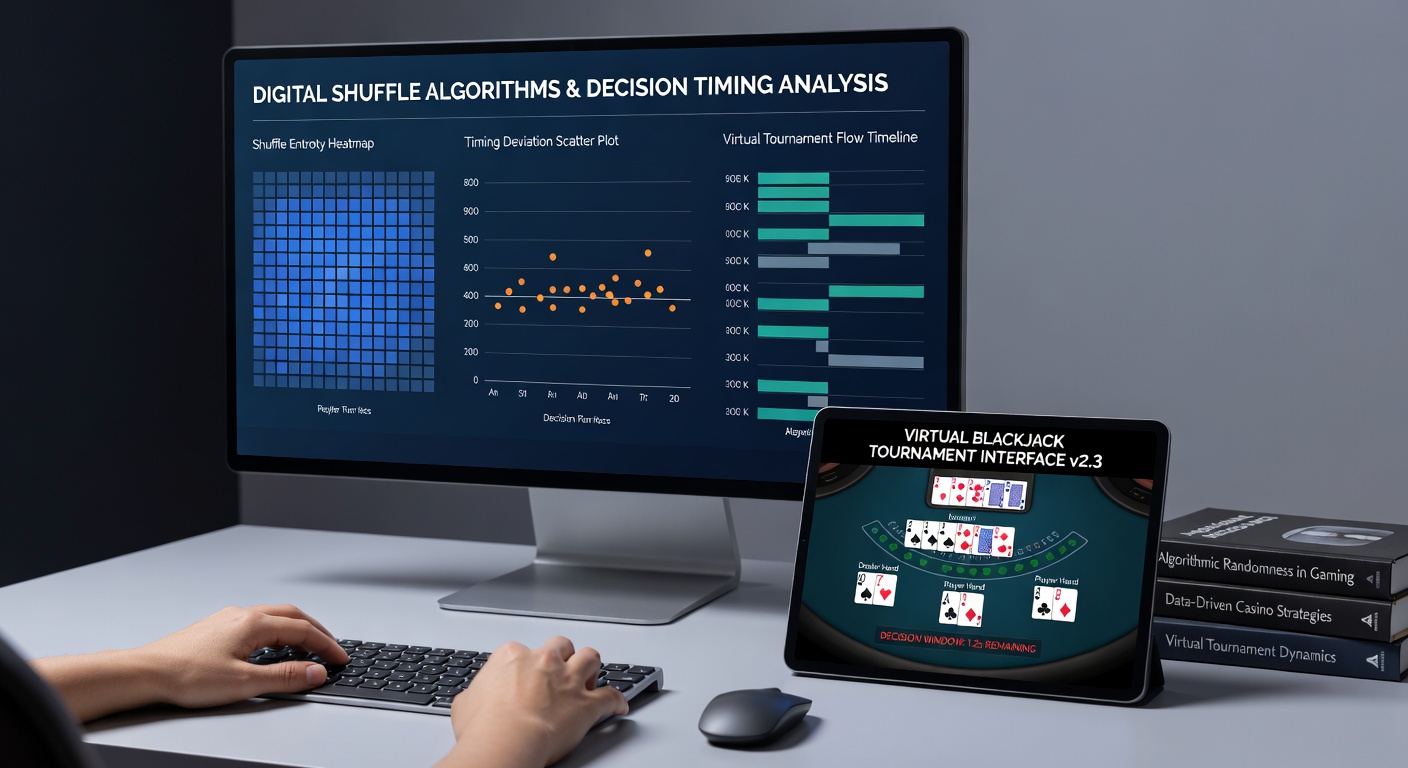
What's notable is how shuffle algorithm updates introduced in late 2025 altered these distributions, with one large-scale study finding that players adapted within roughly 40 hands and stabilized at new timing baselines thereafter. External verification of these findings appears in industry reports from organizations tracking online gaming metrics across jurisdictions.
Player Adaptation and Tournament Outcomes
Those who compete regularly in virtual events develop streamlined decision frameworks that prioritize immediate probability checks over long-term tracking, and case examples from major online series illustrate how top finishers reduce variance in their response times to under one second across consecutive hands. Data patterns indicate that participants who maintain consistent timing intervals tend to reach later stages of brackets more often, partly because the algorithm prevents any single player from gaining an edge through prolonged observation of remaining cards. Regulatory filings submitted to oversight agencies in multiple regions confirm that certified shuffle systems undergo periodic retesting to ensure decision timing does not favor faster or slower interfaces.
Future Adjustments Anticipated After May 2026
Industry groups continue to monitor how algorithm refinements interact with player pacing, and preliminary figures from the first quarter of 2026 suggest incremental tweaks to reshuffle intervals could further compress or expand average decision windows by small margins. Tournament software vendors test these modifications against existing certification requirements before deployment, ensuring statistical integrity remains intact while response dynamics evolve. Observers tracking these developments point to ongoing collaboration between developers and regulators as the primary mechanism for maintaining equitable timing conditions across global virtual events.
Conclusion
Digital shuffle algorithms have reshaped decision timing in virtual blackjack tournaments by enforcing dynamic deck states that demand rapid recalculation on every hand, and evidence from certified platforms shows measurable compression of response intervals alongside improved statistical fairness. Continued monitoring by regulatory authorities and academic researchers will determine how future software iterations influence both pacing and competitive balance in these events, providing tournament organizers with data-driven parameters for setting timers and structuring brackets.