Interconnections Between Certification Timelines and Resource Allocation Patterns in Hybrid Digital Gaming Formats
Yara Krause · Jul 25, 2026
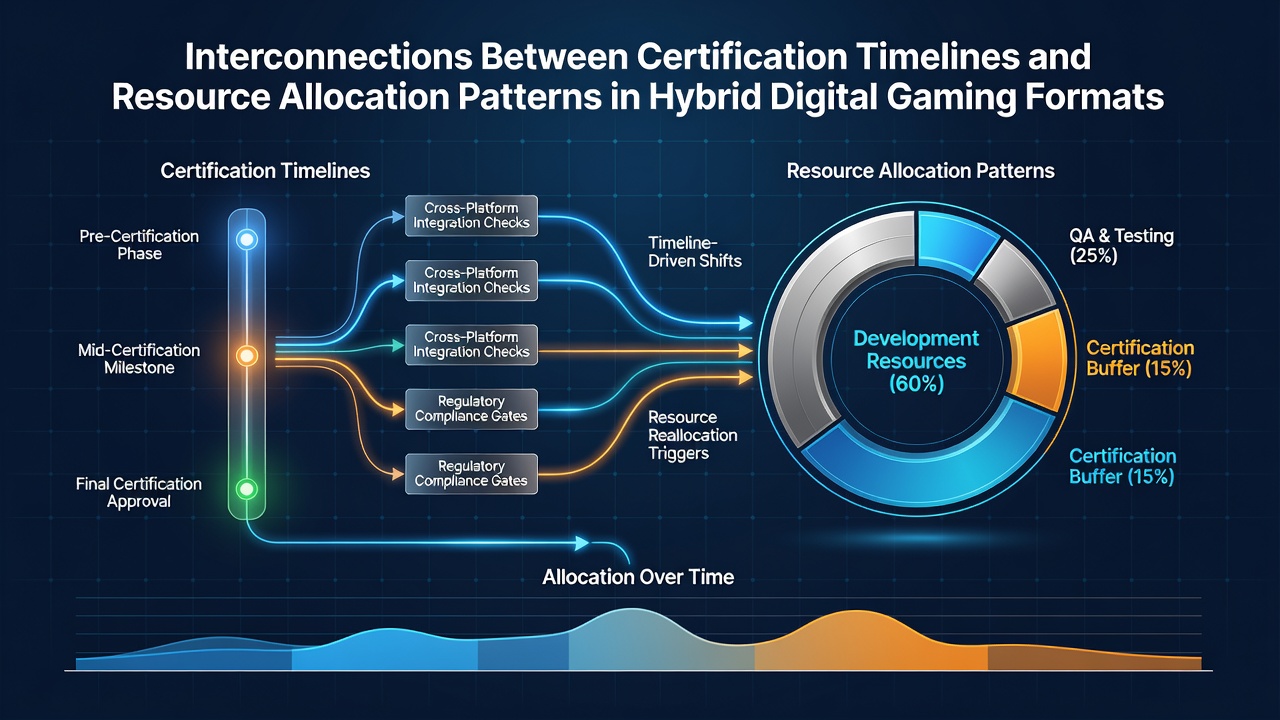
Interconnections Between Certification Timelines and Resource Allocation Patterns in Hybrid Digital Gaming Formats
Hybrid digital gaming formats merge slot mechanics with table game structures across regulated online platforms, and certification timelines directly influence how operators distribute staff hours, budget lines, and technical infrastructure. Research from multiple jurisdictions shows these timelines create predictable bottlenecks that shift resource priorities away from feature development toward compliance documentation and audit preparation.
Certification Processes and Their Built-in Timelines
Regulatory bodies require independent testing of random number generators, game logic, and payout verification before any hybrid title reaches players, while multi-jurisdictional operators must repeat or adapt these steps for each license. Data compiled in July 2026 revealed average certification cycles for hybrid products stretched between 14 and 22 weeks depending on jurisdiction complexity, and operators responded by front-loading engineering resources in the first quarter of each development cycle. Those who studied aggregated audit logs note that delays in one region often cascade into reallocation of testing teams across multiple projects simultaneously.
Patterns emerge when certification deadlines overlap with seasonal traffic peaks, forcing project managers to divert quality assurance personnel from new content creation to documentation updates. Evidence from platform operators indicates that a single extended audit in a European market can pull 30 percent of available compliance staff away from North American launches for up to six weeks.
Resource Allocation Shifts in Hybrid Environments
Hybrid formats demand simultaneous oversight of reel-based RNG systems and card-shuffling algorithms, so resource allocation must balance specialized expertise across both domains. When certification timelines compress, operators typically increase contractor budgets for external laboratories rather than expanding internal teams, because permanent hires require longer onboarding periods that exceed audit windows. Figures from industry reports show external testing costs rising 18 percent year-over-year in markets with overlapping certification requirements.
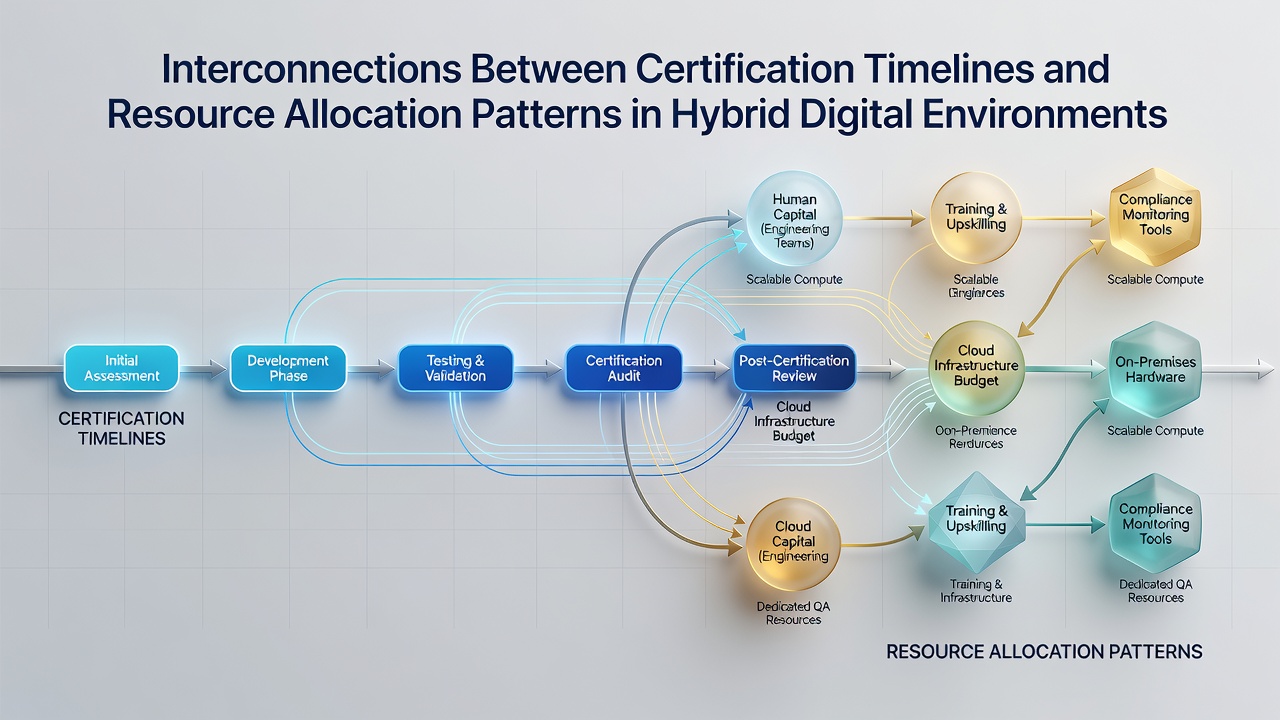
Staffing models adjust accordingly, with cross-trained developers moving between slot mathematics and table game rule engines as audit priorities dictate. Observers note that companies maintaining dedicated compliance liaisons reduce overall project slippage because these roles maintain continuity when technical teams rotate. In contrast, operators without such positions experience repeated knowledge gaps that extend certification further.
Observed Patterns Across Jurisdictions
Canadian and Australian regulatory frameworks produce different allocation rhythms than certain U.S. state systems, and comparative data highlights how staggered certification calendars affect global resource pools. Operators licensed in multiple regions maintain centralized resource planning dashboards that flag upcoming audit windows and trigger automatic budget transfers to the affected markets. Research indicates these dashboards lower emergency contractor spending by coordinating internal capacity across time zones.
One documented case involved a hybrid poker-slot product whose certification in a major Asian market slipped by nine weeks, prompting reallocation of 12 full-time engineers from a European table game update. The shift preserved the Asian launch date but delayed the European release by four weeks, illustrating the direct trade-off between competing certification timelines.
Technology Infrastructure and Budget Implications
Server capacity and monitoring tools must scale during certification phases because audit environments require isolated instances and detailed logging. Operators therefore reserve cloud credits in advance, and July 2026 utilization reports showed infrastructure budgets spiking 25 percent during peak audit months. Those patterns lead companies to negotiate flexible cloud contracts that allow temporary resource bursts without long-term overcommitment.
Software development pipelines incorporate certification checkpoints earlier in the cycle, which reduces late-stage rework but increases upfront planning overhead. Data from aggregated project management systems demonstrates that teams adopting milestone-based resource modeling complete certifications with 15 percent fewer total person-hours than those using linear allocation methods.
Conclusion
Certification timelines and resource allocation patterns remain tightly coupled in hybrid digital gaming, and operators who map these connections in advance achieve more stable development schedules across regions. Ongoing regulatory changes continue to reshape these interdependencies, requiring continuous adjustment of staffing models, contractor relationships, and infrastructure planning. New Jersey Division of Gaming Enforcement data and reports from the Australian Gambling Research Centre both confirm that proactive coordination between certification calendars and resource pools reduces operational friction in multi-jurisdictional environments.