Loyalty Program Architectures and Their Correlations with Session Durations in Accredited Online Table Game Platforms
Ulrich Otto · Jul 18, 2026
Loyalty Program Architectures and Their Correlations with Session Durations in Accredited Online Table Game Platforms
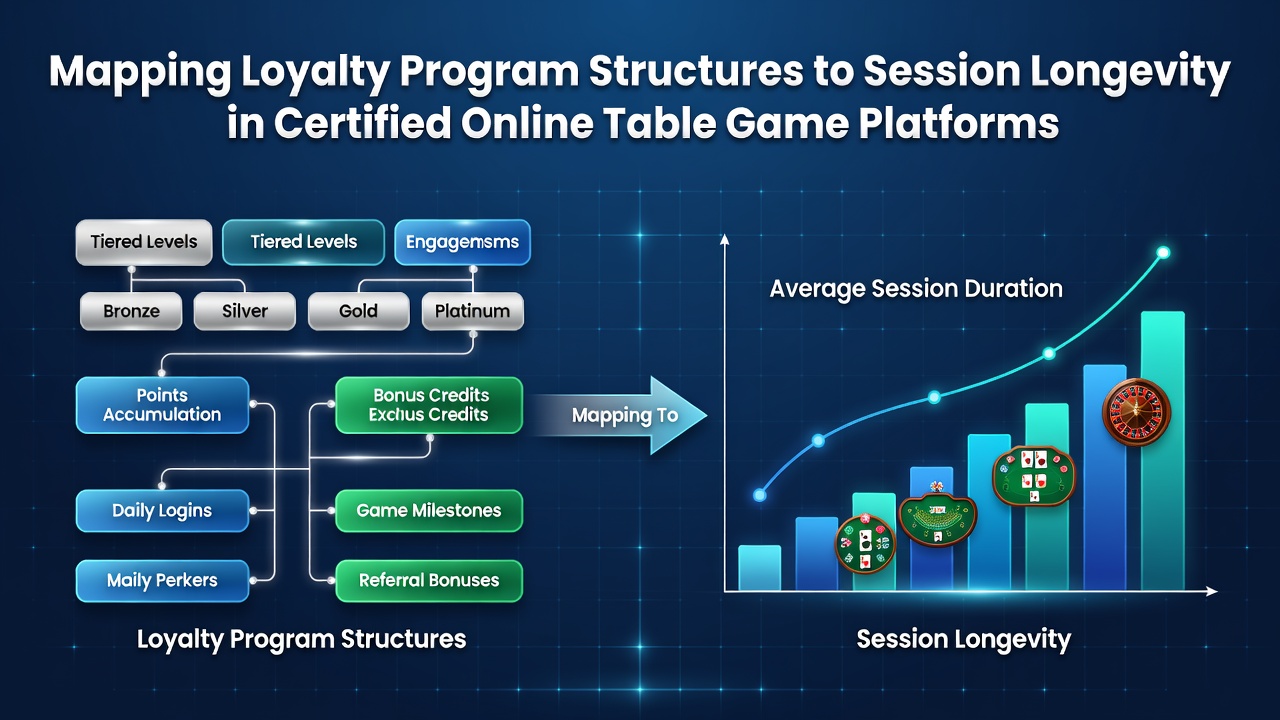
Platform operators in regulated markets have developed loyalty structures that assign points based on hands played in blackjack, spins on roulette wheels, and decisions tracked across poker variants, and these frameworks now connect directly to metrics on how long sessions last in certified environments. Data aggregated from multiple jurisdictions shows that tiered reward models, where base points scale with bet size and game frequency, produce measurable extensions in average play periods when redemption thresholds align with session milestones. Researchers tracking certified systems note that players reaching silver or gold levels often extend sessions by increments tied to bonus credit releases rather than random chance alone.
Core Components of Loyalty Structures in Table Game Ecosystems
Points accrual formulas in these platforms calculate rewards per hand or round using multipliers that factor in game type and stake level, while certification requirements from bodies like the New Jersey Division of Gaming Enforcement ensure transparent logging of every transaction that feeds into tier progression. Observers note that structures incorporating time-based bonuses, such as additional points after thirty consecutive minutes at a virtual table, create feedback loops where players adjust pacing to hit the next reward window. Those who have analyzed session logs across platforms find that fixed reward cycles, versus progressive ones, produce different patterns in how quickly users reach redemption points and decide to continue or exit.
Multipliers applied during peak hours or specific table game promotions further layer onto base structures, and platform records indicate these adjustments correlate with spikes in session length when combined with visible progress bars toward the next tier. Certification audits verify that random number generators and game outcomes remain independent of loyalty calculations, yet the presentation of earned rewards still influences player choices on when to end a session. Data from aggregated logs reveals consistent trends where loyalty members in higher tiers maintain play periods that exceed non-members by intervals ranging from fifteen to forty minutes on average across blackjack and roulette formats.
Data Patterns Linking Reward Tiers to Extended Engagement
Session longevity mapping relies on timestamped entries from certified platforms that record entry time, game selections, bet volumes, and exit points alongside loyalty status at each stage. Figures compiled through 2025 and into mid-2026 demonstrate that players who unlock tier benefits mid-session tend to extend their activity until the next scheduled reward drop, creating clustered duration peaks at forty-five, ninety, and one-hundred-twenty-minute marks. Analysts examining these patterns across licensed operators have identified that structures offering immediate small redemptions rather than deferred large ones sustain steadier engagement curves without abrupt drop-offs.
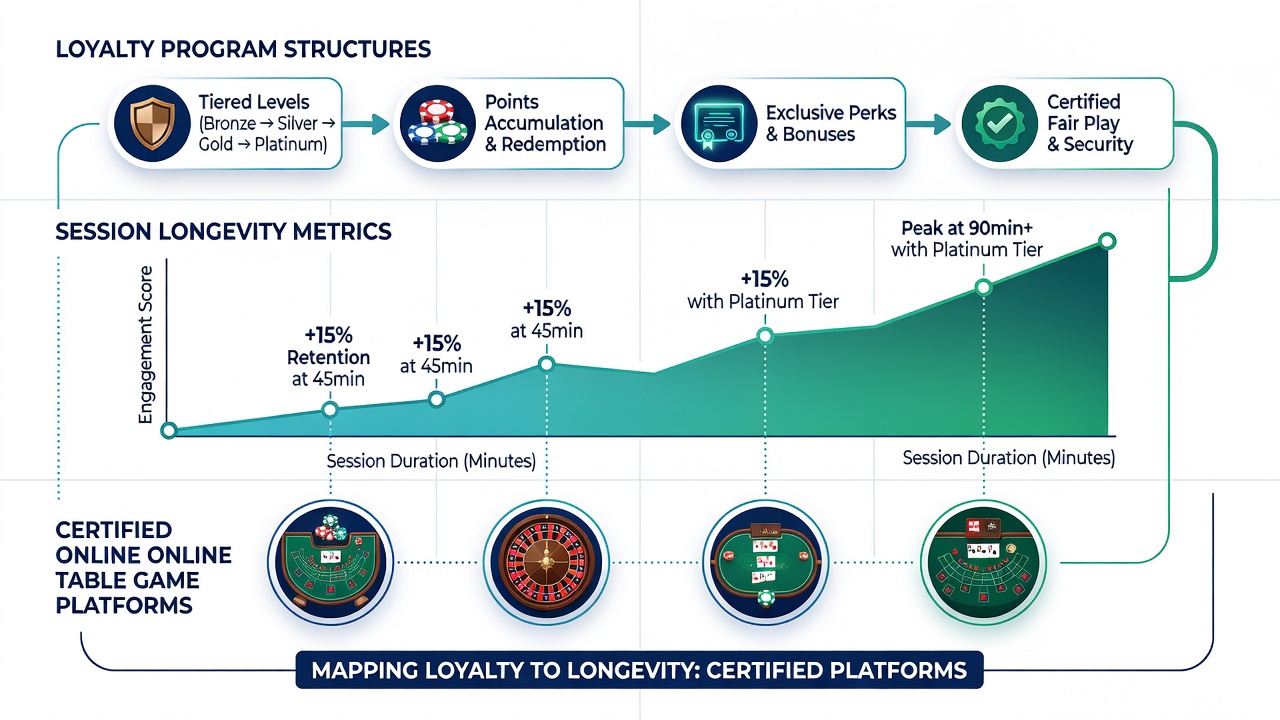
July 2026 updates to compliance reporting in several regions now require operators to submit anonymized session and loyalty data sets for review, which has sharpened comparisons between program designs and their effects on play length. Platforms that integrate loyalty progress directly into the game interface, displaying remaining hands or rounds needed for the next level, record higher rates of session continuation compared to those that hide such details behind separate menus. Research indicates that these visibility differences account for variations in median session times that range from twenty-five to sixty minutes depending on the structure in use.
Regulatory Oversight and Certification Impacts on Program Design
Accredited platforms must meet standards set by regional authorities that govern how loyalty mechanics interact with game fairness, and reports from the iGaming Ontario framework highlight requirements for clear separation between reward calculations and outcome determination. Operators adjust tier thresholds and point values periodically based on internal data reviews, yet certification processes ensure these adjustments do not alter certified random outcomes. Those reviewing compliance records observe that programs with shorter intervals between tiers often produce more frequent but smaller extensions in session duration, whereas longer intervals between major tiers correlate with occasional but larger jumps in play time among dedicated users.
Cross-platform comparisons show that structures incorporating game-specific bonuses, such as extra points for roulette color bets or blackjack insurance decisions, create differentiated longevity effects that vary by title popularity. Data sets released through academic partnerships with institutions studying digital gaming behaviors confirm that loyalty mapping exercises help operators predict resource allocation needs during high-traffic periods without influencing individual game results. External validation through third-party audits maintains the integrity of these correlations while allowing continued refinement of reward schedules.
Conclusion
Mapping exercises continue to refine how loyalty program elements align with observed session patterns in certified table game settings, drawing on verified transaction records and regulatory data submissions. Structures that balance point accumulation speed with visible progress indicators show repeated associations with extended engagement periods across multiple licensed environments. Ongoing reporting requirements, including those active as of July 2026, supply fresh data sets that support further analysis of these relationships without compromising game certification standards.