Mechanics of RNG Verification Shaping Resource Distribution in Roulette Network Operations
Harper Hughes · Jun 13, 2026

Mechanics of RNG Verification Shaping Resource Distribution in Roulette Network Operations
Random number generator verification forms the backbone of operational integrity in digital roulette networks, and certification processes directly influence how operators allocate reserves across game servers and risk pools. Regulatory frameworks require independent testing labs to audit RNG outputs for statistical randomness before platforms receive operational approval, which in turn dictates minimum capital thresholds that networks must maintain to cover potential payout variances.
Core Verification Protocols and Their Operational Reach
Testing facilities examine millions of RNG cycles against established benchmarks for uniformity and independence, while certification timelines often span several weeks depending on network scale and integration complexity. Once verified, these systems feed into capital models that determine reserve ratios, because unverified or flagged RNG modules trigger higher liquidity requirements from oversight bodies to mitigate payout anomalies. Observers note that networks with multiple verified RNG instances can optimize allocation by spreading exposure across parallel servers, reducing the need for oversized single-pool reserves.
Data from aggregated session logs across regulated platforms shows that operators adjust daily capital commitments based on certification renewal dates, since upcoming audits prompt temporary increases in held funds to demonstrate solvency during review periods. This linkage appears in how networks prioritize hardware upgrades or software patches, because fresh verifications unlock more flexible distribution strategies for betting limits and jackpot seeding.
Capital Allocation Models Driven by Certification Outcomes
Allocation algorithms incorporate verification metrics such as entropy scores and cycle periodicity to forecast volatility exposure in roulette wheels, allowing operators to calibrate bet maximums and promotional funds accordingly. When RNG modules pass stringent audits with high confidence intervals, networks typically release portions of contingency capital back into active play pools or marketing initiatives, whereas marginal results prompt tighter controls and slower fund circulation.
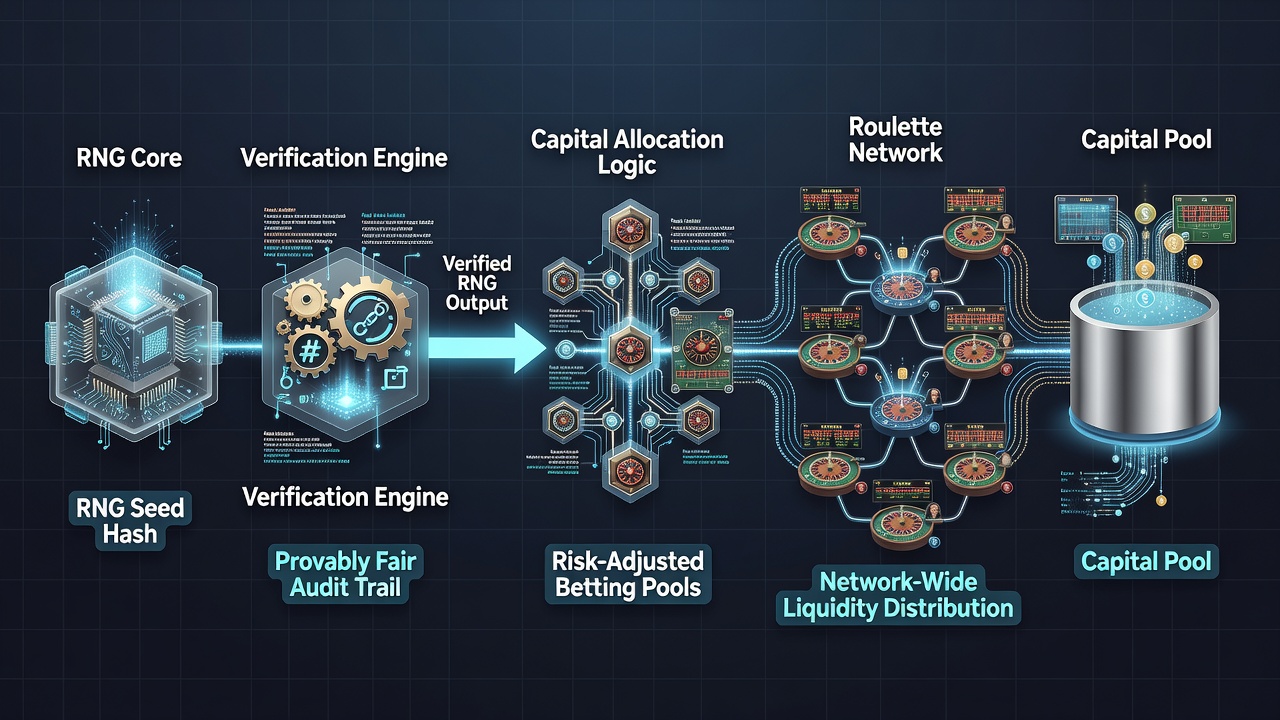
One documented case involved a mid-sized European operator that recalibrated its reserve structure following a routine RNG recertification in early 2025, shifting approximately 12 percent of idle capital into expanded live dealer tables after the audit confirmed extended cycle stability. Such adjustments reflect broader patterns where verification success correlates with accelerated deployment of funds into high-traffic roulette variants, while delays in certification force networks to maintain elevated buffers that limit short-term expansion.
Regulatory Updates and Network Responses in 2026
June 2026 brought new reporting mandates from several oversight agencies requiring detailed disclosure of RNG verification logs alongside capital allocation statements, prompting networks to integrate automated dashboards that link audit results directly to treasury systems. These changes build on earlier frameworks established by bodies like the Nevada Gaming Control Board, which emphasize transparency in how certified randomness underpins financial risk calculations.
Industry reports indicate that networks adopting real-time verification monitoring reduced average reserve holding periods by up to three weeks compared to traditional batch audit cycles, freeing resources for targeted roulette promotions without compromising compliance standards. Researchers at institutions such as the University of Nevada, Reno have examined similar datasets and identified consistent relationships between certification frequency and optimized capital turnover rates across multi-jurisdictional operations.
Integration Challenges Across Distributed Networks
Multi-site roulette networks face additional layers of complexity when synchronizing RNG verification across jurisdictions with differing testing standards, often resulting in staggered capital releases that reflect the most stringent local requirements. Operators frequently maintain centralized verification hubs to streamline this process, yet regional variations in audit depth still force differentiated allocation strategies that account for the slowest-to-certify segments.
Session data patterns reveal that networks with unified verification platforms experience fewer disruptions during capital reallocations, because synchronized certification dates allow simultaneous adjustments to risk pools serving multiple roulette formats. This coordination proves especially relevant in environments where live and virtual tables share underlying RNG infrastructure, since verification status governs the combined exposure limits applied to both segments.
Conclusion
The connection between RNG verification and capital allocation in roulette networks continues to evolve through tighter integration of audit outputs with financial planning tools, supported by ongoing regulatory refinements and technological advancements in monitoring systems. Networks that align certification schedules with allocation reviews maintain greater operational flexibility while meeting compliance obligations across diverse markets.