Player Education Initiatives on Risk Assessment Tools Within Digital Casino Applications
Theo Beck · Jun 9, 2026

Player Education Initiatives on Risk Assessment Tools Within Digital Casino Applications
Digital casino applications have incorporated risk assessment tools that help players monitor spending patterns, session lengths, and behavioral indicators associated with gambling activity, and education initiatives around these tools focus on delivering clear instructions through in-app modules and interactive guides. Researchers at various institutions have documented how platforms integrate self-assessment questionnaires that prompt users to review their activity against established benchmarks, while operators deliver tutorials explaining deposit limit settings and reality check features that interrupt play at predetermined intervals.
Core Components of Risk Assessment Tools
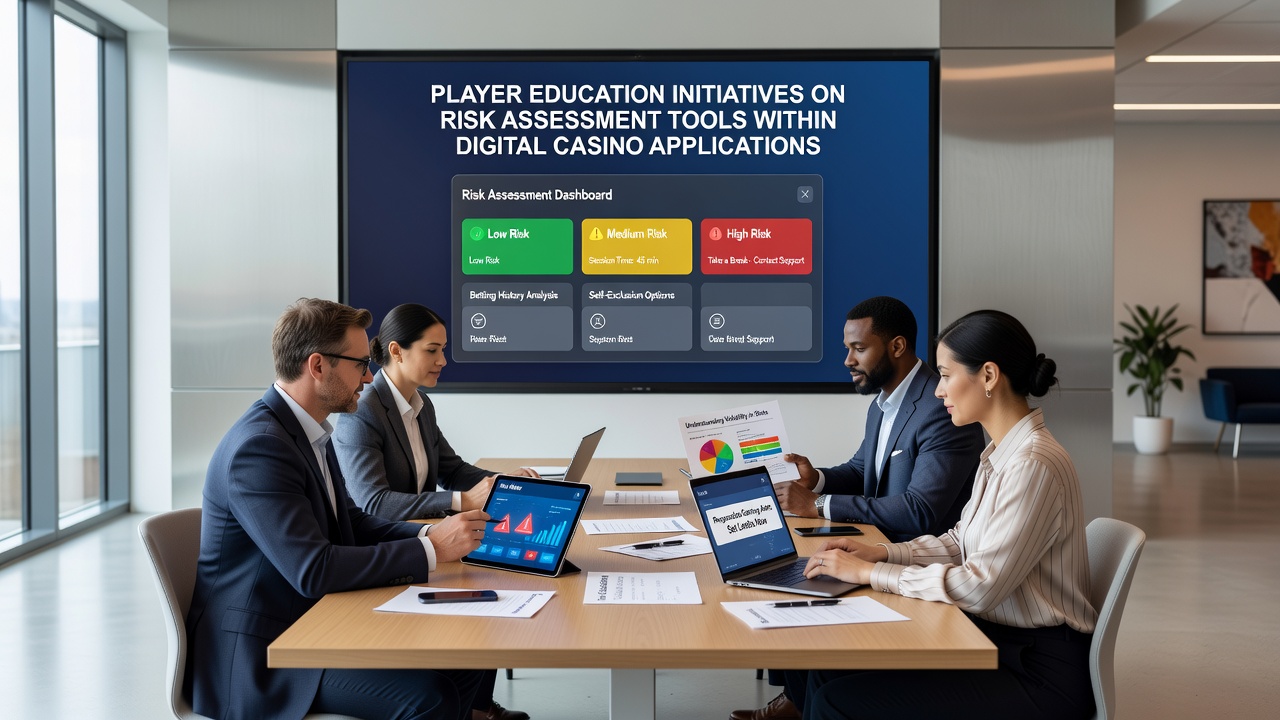
Risk assessment tools in regulated digital environments typically combine algorithmic monitoring with user-initiated checks, and these systems flag patterns such as rapid deposit increases or extended continuous play sessions according to data compiled by industry analysts. Education programs attached to these tools walk players through interpretation of generated reports, which display metrics like average bet size and frequency of limit adjustments, and developers design the accompanying materials to use straightforward language that avoids technical jargon while covering practical steps for adjusting settings.
One program developed in collaboration with academic partners presents case examples drawn from anonymized session logs, allowing users to compare their own activity against aggregated trends without revealing personal details. These modules also cover how voluntary exclusion options function across multiple applications, and they connect users to external support resources maintained by independent health organizations in different jurisdictions.
Regional Approaches to Player Education
Canadian regulators have required licensed operators to embed educational content directly into account creation workflows, and this approach ensures new users encounter explanations of risk tools before any real-money activity begins. Reports from the Canadian Centre on Substance Use and Addiction indicate that structured onboarding sequences correlate with higher rates of players activating at least one protective feature within the first month of registration.
Australian platforms have adopted similar requirements under state licensing frameworks, where mandatory training modules address the connection between session data and potential risk escalation, and these programs update content periodically to reflect changes in game mechanics across slot and table offerings. In several European markets, industry associations coordinate with operators to standardize terminology used in risk reports, which reduces confusion when players move between different applications.
Data Patterns and Effectiveness Measures
Studies tracking user engagement with education modules show that players who complete interactive quizzes on risk indicators demonstrate greater consistency in setting and maintaining deposit limits compared with those who skip the tutorials. Aggregated logs from regulated platforms reveal that repeated exposure to brief reminder messages about tool availability increases the frequency of voluntary check-ins, and operators adjust message timing based on peak activity hours to maximize visibility.
Academic reviews of session data collected through 2025 found measurable shifts in average play duration among users who accessed education resources multiple times, and these patterns hold across both mobile and desktop versions of the same applications. Regulatory bodies in North America and Oceania continue to collect comparative figures to evaluate whether standardized education formats produce similar outcomes in different cultural contexts.
Developments Anticipated for June 2026
Updated certification standards scheduled for rollout in June 2026 require digital casino applications to include dynamic risk assessment interfaces that adapt question sets based on individual play history, and education materials must accompany these updates with step-by-step walkthroughs. Several operators have already begun pilot testing of revised modules that incorporate short video segments demonstrating how alerts appear during live sessions, and preliminary internal reviews suggest these formats improve retention of key instructions.
Industry reports also note that cross-platform tracking capabilities will expand at the same time, allowing players to view consolidated risk summaries from multiple operators while maintaining data privacy controls. Education initiatives tied to these expansions emphasize secure account linking procedures and explain how aggregated reports can inform decisions about overall gambling involvement.
Conclusion
Player education initiatives surrounding risk assessment tools continue to evolve alongside technical capabilities in digital casino applications, with structured content delivery now forming a standard component of licensed platforms across multiple regions. Data collected through ongoing monitoring programs provides operators and regulators with measurable indicators of engagement levels, while scheduled enhancements planned for mid-2026 aim to further integrate adaptive features with accessible instructional resources. These coordinated efforts reflect sustained attention to delivering factual information that supports informed use of available protective mechanisms.