Regional Licensing Boundaries Mold Reward Integration Patterns Across Hybrid Gaming Portfolios
Elena Keller · Aug 22, 2026
Regional Licensing Boundaries Mold Reward Integration Patterns Across Hybrid Gaming Portfolios
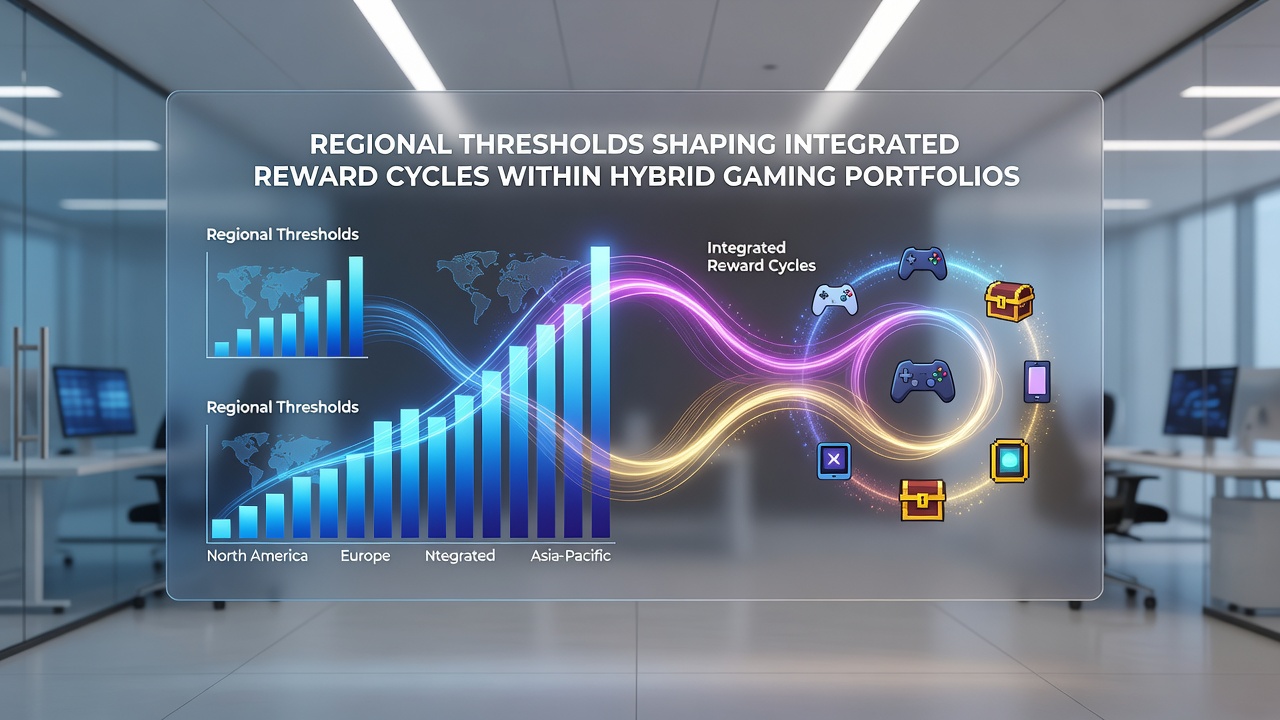
Regional licensing thresholds establish clear parameters that operators must meet before reward cycles can activate within portfolios blending digital slots, table games, and live dealer formats, and these rules vary sharply by jurisdiction while directly affecting how bonuses, loyalty points, and cashback programs distribute across player sessions. In markets where minimum capital reserves or player volume requirements sit higher, integrated reward mechanisms often require longer accumulation periods before payouts trigger, whereas lower thresholds allow faster cycling between game types. Data from the New Jersey Division of Gaming Enforcement shows that operators adjusted bonus rollover tracking systems in early 2025 to align with updated multi-game licensing tiers that took effect later that year.
Threshold Variations Across Major Markets
North American states set distinct entry points for hybrid portfolios, with some requiring separate approvals for online and retail components while others permit unified licensing once revenue thresholds reach specified levels, and these differences shape how reward pools merge across platforms. European jurisdictions apply similar but distinct caps on promotional values tied to local tax brackets, creating staggered release schedules for integrated bonuses that move between virtual reels and physical table play. Observers note that Canadian provincial regulators introduced revised player fund segregation rules in 2025 that forced operators to recalibrate loyalty multipliers when crossing from slot ecosystems into table game rewards.
Impact on Reward Timing and Structure
Integrated reward cycles depend on meeting regional minimums before cross-game transfers become available, so operators track session data against licensing benchmarks to determine when points convert into playable credits across hybrid offerings. Higher thresholds in certain Asian markets delay the activation of combined slot and poker bonuses until aggregate handle exceeds set volumes, whereas North American frameworks often permit earlier integration once basic certification clears. Research from the Australian Gambling Research Centre indicates that session duration metrics lengthen when reward rollover requirements span multiple game categories under a single license umbrella.
Portfolio Adjustments in Response to Regulatory Shifts
Operators managing hybrid portfolios routinely rebalance game mixes and bonus allocations to stay inside regional limits, and this process involves mapping each jurisdiction's capital and volume requirements against projected reward distribution timelines. In August 2026 several U.S. states implemented refined reporting standards that tied reward cycle approvals to real-time data feeds from both online and land-based operations, prompting portfolio managers to synchronize bonus triggers across formats. Those adjustments reduced friction between digital and retail reward ledgers while maintaining compliance with updated licensing thresholds.

Portfolio managers examine aggregated logs to identify optimal points where regional rules allow reward integration without triggering additional review layers, and this analysis often reveals patterns in how volatility settings interact with licensing caps. When thresholds rise, cycles extend to protect reserve requirements, yet lower barriers permit tighter loops between slot spins and table decisions within the same loyalty framework. Figures from the Alcohol and Gaming Commission of Ontario reveal measurable shifts in bonus uptake rates following 2025 threshold recalibrations that affected multi-format operators.
Data Patterns and Operational Responses
Session logs collected across regulated platforms demonstrate that reward cycle length correlates with the number of distinct licensing conditions an operator must satisfy, and hybrid portfolios therefore segment player cohorts according to regional rule sets. Analysts track how certification timelines intersect with rollover tracking to prevent premature release of integrated bonuses, particularly when portfolios combine RNG-certified games with live dealer streams. Those monitoring these intersections report that operators increasingly deploy automated compliance layers to flag when cumulative activity approaches a jurisdiction's defined ceiling.
Take one operator that adjusted its hybrid portfolio after a Canadian province raised its minimum active player count, resulting in delayed activation of cross-game cashback until volume targets cleared. Similar recalibrations occurred in U.S. markets where tax-linked thresholds required separate reporting for digital versus retail reward portions, and these changes produced measurable extensions in average cycle duration across blended offerings. External data sources confirm that such adaptations maintain regulatory alignment without disrupting overall portfolio performance metrics.
Conclusion
Regional thresholds continue to dictate the pace and structure of reward integration within hybrid gaming portfolios as operators refine systems to meet evolving licensing conditions across jurisdictions. Updates effective in August 2026 further highlighted the need for precise mapping of regulatory boundaries against reward distribution logic, and ongoing data collection from multiple markets supplies the benchmarks operators use to sustain compliant cycles. Continued examination of these interactions provides clear visibility into how licensing parameters shape operational frameworks for mixed gaming environments.