Regulatory Evolution Across Emerging Regions Reshapes Digital Table Game Participation Trends
Elena Keller · Aug 13, 2026
Regulatory Evolution Across Emerging Regions Reshapes Digital Table Game Participation Trends
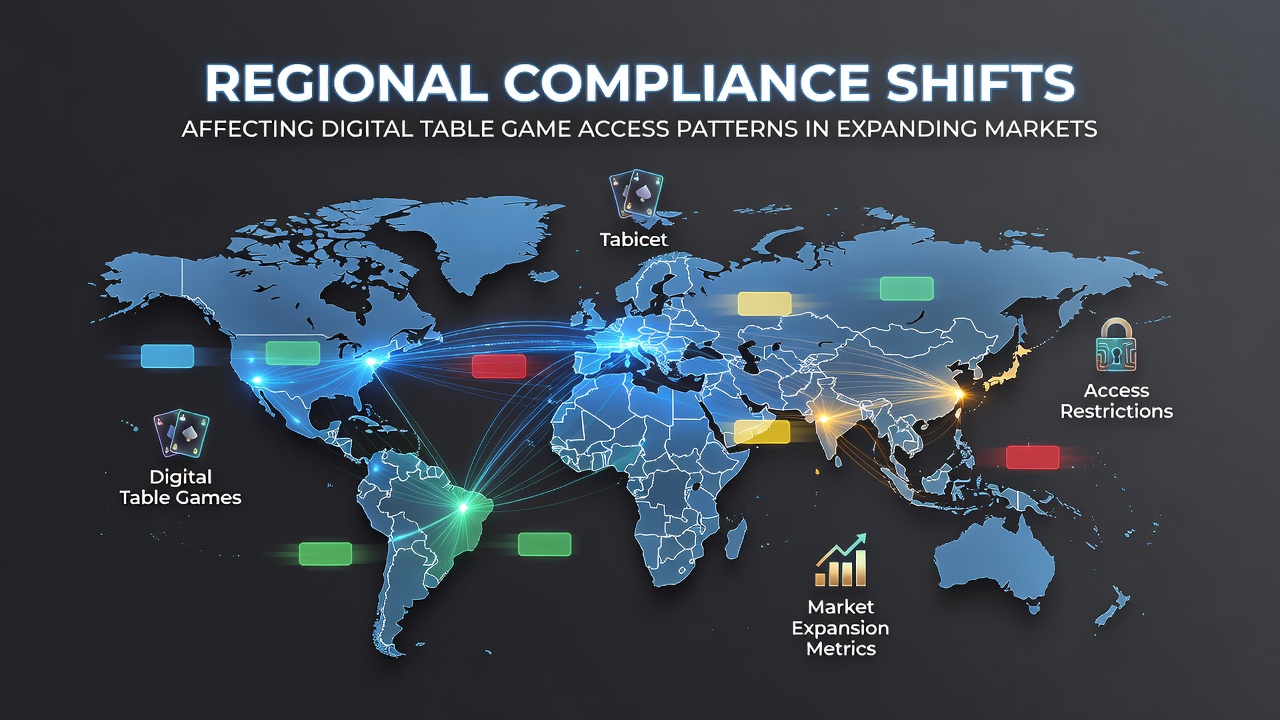
Compliance frameworks in several developing markets have undergone notable adjustments since early 2025, and these modifications continue to influence how players engage with digital versions of blackjack, roulette, and baccarat. Jurisdictions in Latin America and parts of Southeast Asia have introduced updated licensing requirements that directly affect platform availability and session structures, while operators adjust their offerings to meet new standards set to expand further in August 2026. Data from aggregated regulatory filings show that access patterns have shifted toward localized servers and region-specific verification processes, which in turn alter peak usage hours and game selection preferences across user bases.
Latin American Adjustments Drive Platform Localization
Brazil and Mexico have implemented revised digital gaming statutes that require operators to maintain physical presence within national borders for certain table game categories, and this requirement has prompted several international platforms to partner with domestic providers rather than operate through offshore routing. Observers note that these partnerships often result in modified payout structures and session timers calibrated to local time zones, which data from session logs indicate leads to increased participation during evening hours in those regions. Colombian regulators have similarly updated their certification processes for random number generators used in virtual table environments, creating a timeline that aligns with broader regional harmonization efforts expected to finalize by late 2026.
One study tracking user behavior across multiple platforms revealed that players in these markets tend to favor shorter session durations when verification steps add extra layers, yet overall engagement volumes have remained stable because localized payment integrations reduce friction during deposits and withdrawals. Figures from industry reports highlight a measurable uptick in mobile-based table game access following these compliance updates, particularly in areas where broadband infrastructure improvements coincided with the regulatory rollout.
Asia-Pacific Markets Introduce Tiered Licensing Models
Countries such as the Philippines and Vietnam have adopted tiered licensing approaches that distinguish between skill-based table games and chance-driven variants, and this distinction has led operators to segment their digital catalogs accordingly. Platforms operating in these jurisdictions now route traffic through approved gateways that enforce real-time compliance checks, which researchers tracking access logs have linked to changes in average session length and game variety per user. The approach mirrors patterns seen in earlier regulatory phases elsewhere, though the specific thresholds for capital reserves and audit frequency differ based on each market's economic priorities.
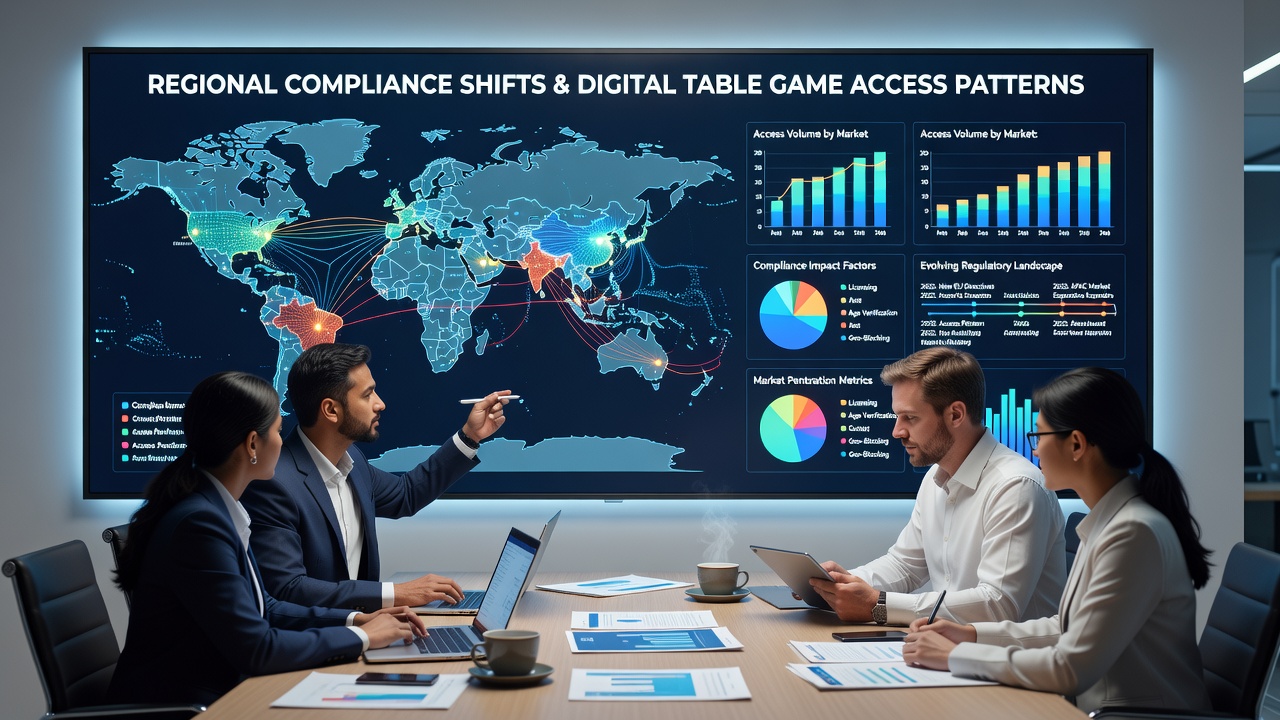
According to information released by the National Conference of State Legislatures, several U.S. states considering similar expansions have referenced these Asian models when drafting their own frameworks. Meanwhile, South African authorities have begun requiring quarterly reporting on player access metrics for digital table offerings, and early submissions suggest that compliance costs have influenced smaller operators to consolidate their market presence rather than maintain independent platforms. This consolidation has produced observable effects on game availability during off-peak periods in those territories.
Cross-Border Data Sharing Influences Access Controls
Agreements between regulatory bodies in multiple expanding markets now facilitate shared databases for player verification, and this cooperation reduces duplicate compliance burdens while tightening controls on cross-jurisdictional play. Those who monitor these systems report that the resulting access patterns show greater consistency in identity confirmation steps, which correlates with steadier but more measured engagement rates compared to pre-agreement periods. The changes align with broader international efforts to standardize certain technical requirements ahead of the August 2026 implementation window referenced in several pending legislative calendars.
Industry associations such as the European Gaming and Betting Association have published summaries noting how these regional shifts interact with existing global standards, particularly regarding encryption protocols and audit trails for table game software. Evidence from platform analytics indicates that users adapt quickly to new verification flows when they coincide with improved interface designs, though initial transition periods often feature temporary dips in activity that recover within weeks.
Conclusion
Regional compliance modifications continue to redefine how digital table games reach users in markets undergoing expansion, and the cumulative effects appear in session data, licensing structures, and operator strategies alike. As August 2026 approaches, further alignment among these frameworks may produce additional adjustments to access patterns, with current trends suggesting sustained emphasis on localized infrastructure and coordinated verification methods across participating jurisdictions.