Regulatory Synchronization Shapes Bonus Data Handling Across Global Jurisdictions
Ulrich Otto · Aug 18, 2026
Regulatory Synchronization Shapes Bonus Data Handling Across Global Jurisdictions
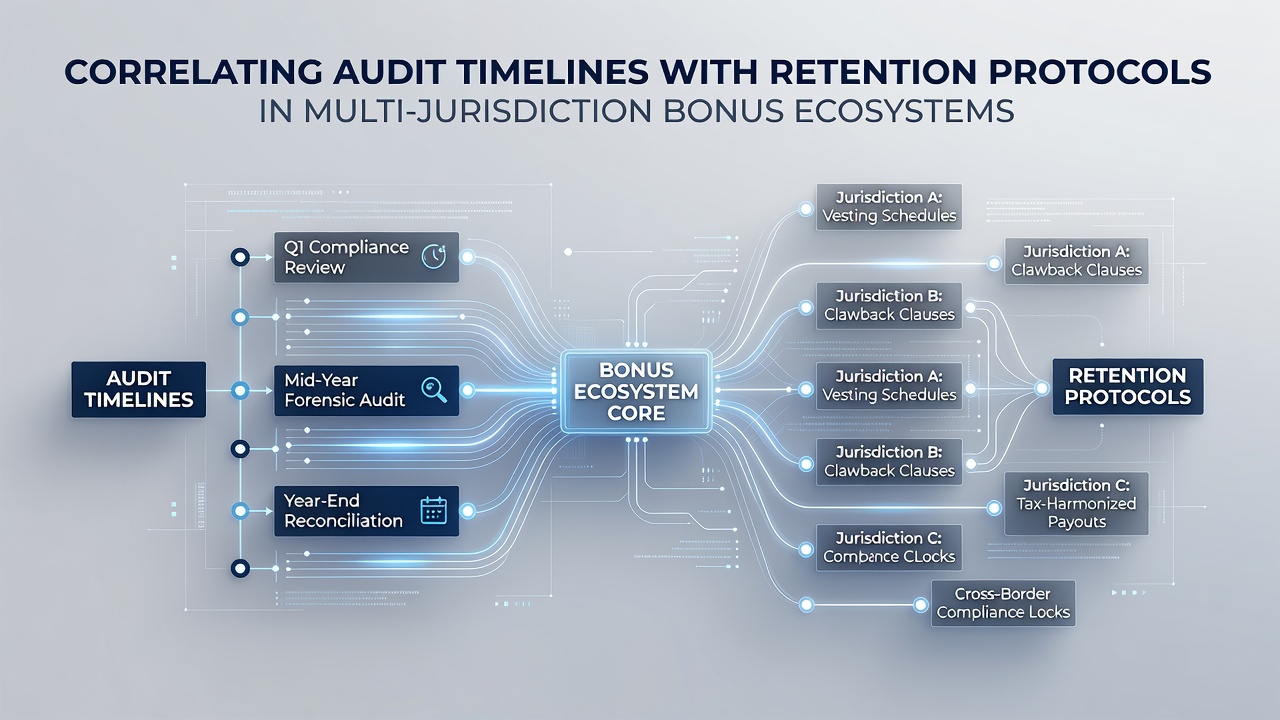
Multi-jurisdiction bonus ecosystems require precise alignment between audit timelines and retention protocols because operators must store player transaction records, bonus award histories, and verification logs for periods that match each region's regulatory cycle. Data from several oversight bodies shows that mismatches between these two elements create compliance gaps, particularly when operators manage promotions that span North American, European, and Asian markets simultaneously.
Audit Frequency Patterns Across Key Markets
Canadian provincial regulators conduct full operational audits on a 12-month rotation while Australian state authorities require quarterly spot checks that focus on bonus distribution accuracy. Those schedules force operators to retain detailed player account snapshots for at least 36 months in Canada and 24 months in most Australian jurisdictions. Research from the Canadian Gaming Association indicates that bonus ecosystems handling cross-border promotions now synchronize their internal audit calendars to the strictest jurisdiction in each portfolio.
European regulators operating under the Remote Gambling Association framework have shifted several member states toward 18-month audit cycles effective August 2026, which directly extends minimum retention windows for bonus-related data from 30 months to 42 months in participating territories. Operators report that this change requires immediate updates to automated deletion scripts so that records remain available through the full audit window.
Retention Protocol Mechanics in Practice
Retention protocols specify exact data fields that must survive each audit cycle, including timestamped bonus triggers, player eligibility verification, and fund movement ledgers. When an operator maintains licenses in three or more jurisdictions, the longest retention requirement becomes the default across all systems. One study released by the New Jersey Division of Gaming Enforcement tracked 47 licensed entities and found that 68 percent now apply the maximum regional retention period globally rather than segmenting storage by license.
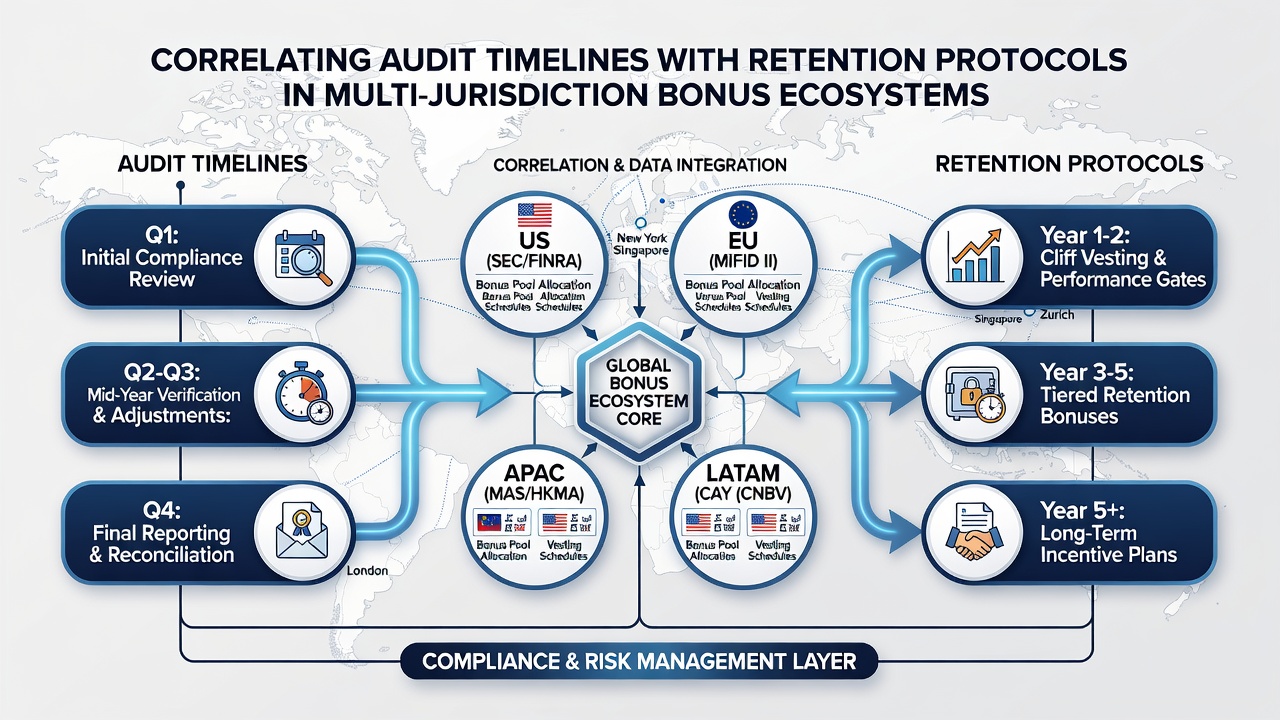
Technical implementations often rely on tiered storage where recent bonus activity sits in high-speed databases for 12 months, then migrates to encrypted archives that satisfy longer retention mandates. Systems must also preserve cryptographic hashes that allow auditors to confirm record integrity years after the original transaction occurred.
Cross-Border Data Flow Challenges
Operators face additional complexity when bonus funds move between jurisdictions with conflicting retention rules. A promotion originating in one market may generate player data that falls under another market's longer storage mandate. Figures released by the Asia Pacific Association of Gaming Regulators reveal that 41 percent of audited operators adjusted their central data warehouses in 2025 to accommodate these overlapping requirements.
August 2026 brings further adjustments as several Pacific Rim jurisdictions implement new reporting portals that pull directly from retained bonus datasets. These portals require operators to maintain searchable indexes of every bonus award for the full retention period rather than relying on periodic exports during audits.
Technology Supporting Timeline Alignment
Automated compliance platforms now map each jurisdiction's audit calendar against its retention statute and generate alerts when deletion schedules approach. These platforms also track which bonus records remain under active audit review so that retention extensions can be applied without manual intervention. Industry reports show adoption of such tools increased 29 percent between 2024 and 2025 among operators holding multiple international licenses.
Conclusion
Alignment between audit timelines and retention protocols continues to drive system architecture decisions in multi-jurisdiction bonus operations. Regulatory updates scheduled for August 2026 will extend several retention periods, requiring operators to review and adjust their data management frameworks to maintain compliance across every licensed market.