Unpacking Interlinked Reward Cycles Between Virtual Reel Configurations and Regional Licensing Thresholds in Table Game Ecosystems
Theo Beck · Jun 6, 2026
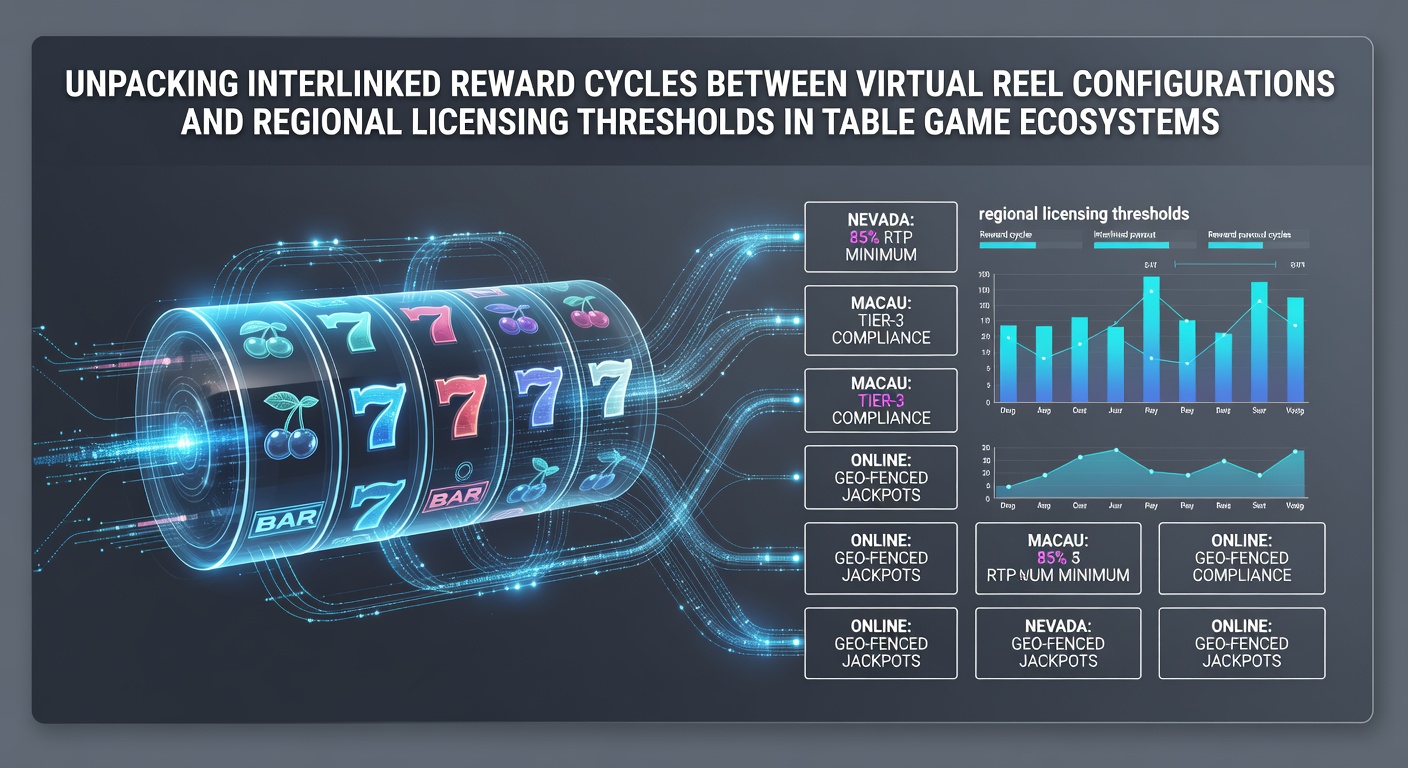
Unpacking Interlinked Reward Cycles Between Virtual Reel Configurations and Regional Licensing Thresholds in Table Game Ecosystems
Virtual reel configurations in digital gaming platforms create reward cycles that interact directly with regional licensing thresholds applied to table game ecosystems, and these interactions shape how operators structure payouts across hybrid environments where slots and table formats operate side by side. Data from aggregated platform logs indicate that reel weighting patterns influence session lengths in table games when licensing rules cap maximum return-to-player percentages or mandate minimum volatility standards in certain jurisdictions.
Regional authorities set licensing thresholds that often require operators to demonstrate compliance through certified random number generators, yet these same thresholds extend to virtual reel mechanics when platforms bundle table games with slot offerings under a single license. Observers note that adjustments to reel strip lengths or symbol distribution can trigger recalibrations in table game bonus structures because many regulatory frameworks evaluate overall portfolio risk rather than isolating individual game types.
Virtual Reel Mechanics and Reward Cycle Formation
Virtual reels determine outcome probabilities through weighted symbol placement, and reward cycles emerge when players encounter repeated patterns of near-misses followed by payouts that align with configured hit frequencies. Studies of session data reveal that higher reel complexity, measured by the number of virtual stops per physical reel, correlates with extended play periods in adjacent table game offerings because players shift between formats during the same login session. This shift occurs because licensing thresholds in multiple regions impose aggregate play-time reporting that captures cross-product behavior rather than single-game metrics.
Operators adjust reel configurations to meet minimum payout thresholds mandated by licenses, and these adjustments create feedback loops when table game ecosystems incorporate side bets or progressive elements tied to slot performance. Evidence from regulatory filings shows that changes in reel volatility curves affect the frequency of bonus triggers in table variants when jurisdictions require unified reporting of player expenditure across all licensed products.
Regional Licensing Thresholds and Their Reach
Licensing bodies in North America and Asia impose thresholds on maximum stake limits and minimum return percentages that apply uniformly to table game ecosystems even when virtual reels drive the underlying reward delivery. For instance, updates scheduled for implementation in June 2026 in select Canadian provinces will require operators to recalibrate reel weighting whenever table game hold percentages exceed newly defined regional caps. These requirements stem from aggregated risk assessments that treat virtual reel outcomes as integral components of table game liquidity models.
European regulatory frameworks similarly link reel configurations to table game licensing through mandatory certification audits that evaluate how symbol distribution influences overall session duration metrics. Data indicates that platforms operating under multi-jurisdictional licenses must synchronize reel parameters with table game rules to avoid threshold breaches that could suspend operations across connected ecosystems.

Interconnections in Hybrid Ecosystems
Hybrid platforms that combine virtual reels with table game interfaces generate reward cycles where a single player's progression through reel-based bonuses directly modifies the available stakes or payout structures in live dealer table offerings. Researchers tracking aggregated logs across regulated networks have documented cases where elevated reel hit rates precede increased table game participation because licensing conditions tie bonus rollover requirements across product categories. This interconnection becomes pronounced when regional thresholds mandate that operators maintain balanced risk profiles rather than allowing isolated optimization of slot or table segments.
Turns out that certification timelines for new reel configurations often coincide with reviews of table game licensing conditions, and this synchronization forces operators to align reward delivery mechanisms across both domains. A report published by the University of Nevada Reno's gaming research division outlines how symbol weighting changes in reels can necessitate adjustments to table game side bet frequencies to remain within prescribed loss-limit thresholds enforced by state regulators. Nevada Gaming Control Board records further illustrate these patterns through quarterly compliance summaries that aggregate data from multi-product environments.
Data Patterns Across Jurisdictions
Comparative analysis of licensing data from Australian and North American sources shows that regions with stricter reel certification standards experience slower adoption rates for new table game variants when reward cycles remain interdependent. Figures from the Australian Gambling Research Centre indicate that platforms must submit unified models demonstrating how virtual reel adjustments affect table game hold percentages before receiving approval for ecosystem-wide updates. These models incorporate session duration statistics that reveal players extending play across formats when reel configurations produce consistent reward intervals.
Yet jurisdictions with more flexible thresholds allow operators greater latitude in separating reel and table reward mechanisms, although cross-product player tracking still requires periodic threshold verification. One study of platform logs from 2024 through early 2026 found measurable shifts in table game entry points following reel reconfigurations that altered near-miss frequencies, prompting licensing reviews in affected regions.
Future Calibration Requirements
Regulatory developments planned for June 2026 will expand the scope of required reporting to include explicit mapping of reward cycle linkages between virtual reels and table game components. Those preparing submissions must demonstrate through simulation data that proposed reel changes will not push table game ecosystems beyond regional loss or volatility thresholds. Industry organizations such as the International Association of Gaming Regulators have circulated draft guidelines that emphasize integrated testing protocols rather than standalone evaluations.
Conclusion
The interplay between virtual reel configurations and regional licensing thresholds continues to shape reward cycles within table game ecosystems through documented mechanisms of cross-product influence and aggregate compliance requirements. Data from multiple jurisdictions confirm that adjustments in one domain propagate measurable effects into the other, and upcoming regulatory timelines will formalize these connections further through enhanced reporting standards. Operators and regulators alike rely on unified session analytics to maintain alignment with established thresholds across evolving platform architectures.