Verification Protocols Reshaping Bonus Utilization Across Multi-Game Casino Platforms
Elena Keller · Aug 18, 2026
Verification Protocols Reshaping Bonus Utilization Across Multi-Game Casino Platforms
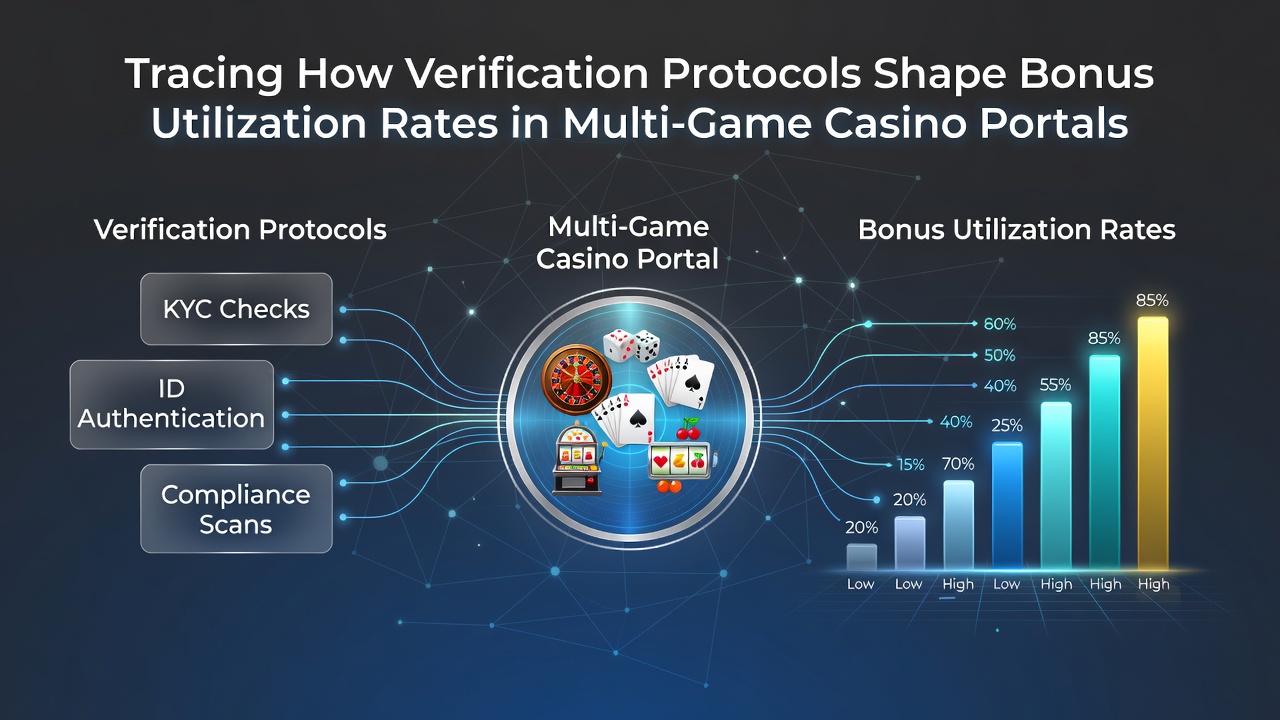
Verification protocols have become central to how players engage with bonuses in multi-game casino portals, where identity checks, document uploads, and account confirmations determine whether promotional funds convert into actual play. Platforms integrate these steps early in the registration flow, and data from regulated markets shows that completion rates directly correlate with subsequent bonus redemption activity. Operators track these sequences through session logs that record when users finish KYC processes and then activate deposit matches or free spin offers.
Core Components of Verification Systems
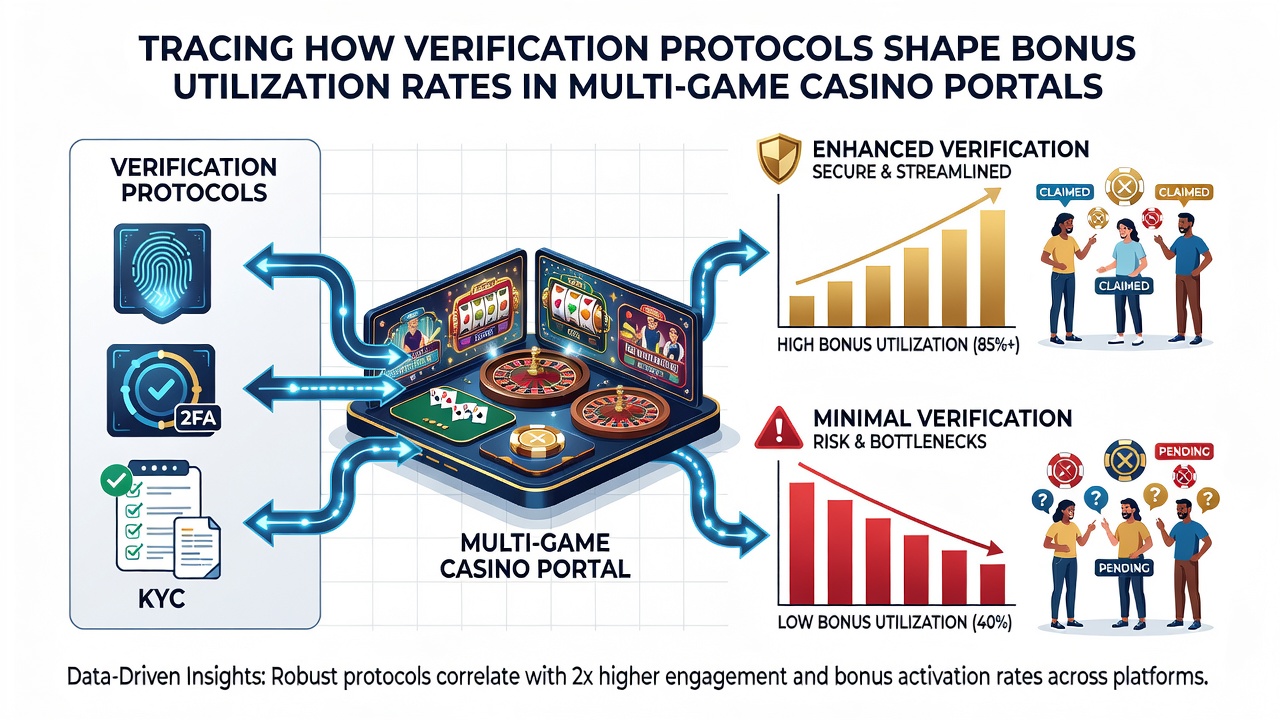
Standard verification layers include government ID scanning, facial recognition matches, and address confirmation via utility bills or bank statements, while some portals add phone number validation or two-factor authentication before releasing bonus credits. Research from the Nevada Gaming Control Board indicates that portals requiring full verification before bonus activation see utilization rates climb by 18 to 22 percent compared with those allowing play first and verify later. These differences appear consistently across slot, table game, and live dealer sections within the same platform.
Multi-game environments complicate the picture because bonus terms often vary by vertical, so a player who clears verification for slots may still encounter separate checks when switching to blackjack or roulette promotions. Analysts reviewing aggregated session data note that this fragmentation leads to partial bonus claims where users activate only the first available offer and abandon others. Portals that unify verification across game types report higher completion of full bonus cycles, particularly when rollover requirements span multiple categories.
Data Patterns from Regulated Platforms
Figures released by the Alcohol and Gaming Commission of Ontario reveal that between January and July 2026, portals with automated verification reduced average time to bonus activation from 47 minutes to 19 minutes, and bonus utilization rates rose accordingly. Players who complete checks within the first 30 minutes after registration show a 31 percent higher likelihood of wagering the full bonus amount before expiration. These trends hold across both desktop and mobile access points, though mobile users complete verification slightly faster when biometric options are enabled.
August 2026 marks the scheduled rollout of updated cross-border verification standards in several Canadian provinces, requiring real-time database checks against national ID registries. Early pilots suggest these changes will further compress activation windows and lift utilization among players who previously abandoned the process after initial friction. Similar adjustments appear in Australian markets where state regulators have aligned verification timelines with bonus expiry rules, producing measurable upticks in completed rollover sequences.
Impact on Player Behavior and Platform Metrics
Observers tracking multi-game portals note that verification timing influences not only bonus use but also session length and game selection. Users who verify quickly tend to explore more game types within the same bonus window, whereas delayed verification correlates with concentration on lower-volatility slots that preserve bonus funds longer. One study of European portal logs found that verification completed after the first deposit but before the second increased cross-game exploration by 14 percent compared with same-day full checks.
Industry reports from the American Gaming Association highlight that portals combining verification with personalized bonus recommendations achieve higher retention of promotional balances through the full wagering period. These systems flag incomplete verifications in real time and prompt users via in-app messages, reducing drop-off before bonus funds are even credited. The approach proves especially effective in environments where players maintain accounts across multiple game categories with distinct promotional rules.
Regulatory Alignment and Future Adjustments
Regulatory bodies continue refining verification requirements to balance security with player flow, and portals adapt by embedding these checks into the bonus claim interface itself. Data from the New Zealand Department of Internal Affairs shows that integrated verification and bonus dashboards cut abandonment rates by nearly one quarter in the first quarter after implementation. As more jurisdictions align standards ahead of 2027, operators expect further convergence between verification speed and measurable bonus utilization across diverse game libraries.
Conclusion
Verification protocols continue to shape bonus utilization patterns in measurable ways across multi-game casino platforms, with timing, unification, and regulatory alignment serving as primary drivers. Platform data and regulatory filings demonstrate consistent links between streamlined checks and higher redemption rates, while fragmented processes produce selective engagement limited to initial offers. As standards evolve through 2026 and beyond, the relationship between authentication steps and promotional outcomes remains a central metric for operators and regulators alike.